Advertisement
Please note that it is not permitted to have referral links posted in your signature. Keep these links contained in the appropriate forum. Thank you.

https://www.boards.ie/discussion/2055940817/signature-rules
Help Keep Boards Alive. Support us by going ad free today. See here: https://subscriptions.boards.ie/.
https://www.boards.ie/group/1878-subscribers-forum

Private Group for paid up members of Boards.ie. Join the club.
Hi all, please see this major site announcement: https://www.boards.ie/discussion/2058427594/boards-ie-2026

HVO100 diesel fuel.

13468912

Comments

  • Registered Users, Registered Users 2 Posts: 15,577 ✭✭✭✭dulpit


    No I didn't reset it. But it was interesting that the average dropped to 5.6l/100km so even though I've only been using the fuel for the last 2,500 km or so, it's had enough of an impact to drop the mileage. I reckon in the grand scheme it's more to do with the driving I've been doing rather than the fuel, I'm taking it to mean that HVO versus normal diesel has no real difference on my fuel economy…


  • Registered Users, Registered Users 2 Posts: 2,392 ✭✭✭w124man


    The 90% reduction claim is not tailpipe emissions but a reduction in emissions getting the product to the pump AND tailpipe emissions. Actual tailpipe emissions are reduced by around 30% from what I have found.


  • Registered Users, Registered Users 2 Posts: 5,542 ✭✭✭mikeecho


  • Registered Users, Registered Users 2 Posts: 3,178 ✭✭✭coolbeans


    I've always believed in the mantra if something looks to good to be true it usually is. There's just no way the claims being made stand up to scrutiny. Palm oil plantations are clearly churning out HVO and labelling it as used cooking oil. I mean, who really believes we have the quantities of used cooking oil to replace diesel? It looks to be a total scam and I believe that it will be shown to be so in the near future.


  • Registered Users, Registered Users 2 Posts: 5,542 ✭✭✭mikeecho


    It's not just cooking oil / palm oil that's used

    Hvo is also made from animal fats and fish waste.


  • Advertisement
  • Registered Users, Registered Users 2, Paid Member Posts: 16,439 ✭✭✭✭loyatemu


    yeah - even if it is waste oil, how is burning it in diesel cars helping the environment?

    even if it was being grown in sustainable plantations by ethical employers, you could grow something else there that isn't destined to be burned and and turned into more emissions.

    it may be marginally better than diesel (and I'd need to see compelling evidence not supplied by the people selling the stuff) but the 90% claims are garbage.

    Put your money where yer mouth is... Subscribe and Save Boards!

    https://subscriptions.boards.ie/


  • Registered Users, Registered Users 2 Posts: 5,542 ✭✭✭mikeecho


  • Registered Users, Registered Users 2 Posts: 14,414 ✭✭✭✭prawnsambo


  • Registered Users, Registered Users 2 Posts: 75,488 ✭✭✭✭L1011


    Went missing over a year ago, won't be impacting current supply


  • Registered Users, Registered Users 2 Posts: 5,542 ✭✭✭mikeecho


    Just an update.. 6k km since last service, had a check of the engine oil.

    Surprised to find that the oil is still clean / transparent.

    Normally it would be black by now.

    I've been using hvo almost exclusively for a just over a year now.. only had to use regular supermarket fuel when abroad.


  • Advertisement
  • Registered Users, Registered Users 2 Posts: 330 ✭✭Birka


    Similar here. Not quite transparent on a 2021 VAG Group car but a lot cleaner than it was on B7.


  • Registered Users, Registered Users 2 Posts: 2,392 ✭✭✭w124man


    Okay HVO is made from waste products, ie, the oil and other ingredients have completed their initial intended use and are destined to be discarded. The first benefit to the environment is that these used products are now not going into landfill or rivers. Another benefit to the environment is that for every one litre of HVO100 available as fuel for diesel engines is one litre of diesel we don't have to drill for and refine. Remember its not just in cars, its in plant and equipment, boats, ships, trains, basically anything that has a diesel engine. Generation 2 biodiesel - which is what HVO100 is, does not contain palm oil. Generation one biodiesel can contain palm oil and thus is not FAME free. HVO100 is FAME free. Common misconception! HVO100 for Europe is tightly controlled by the EU standard which is very different to the EU standard for Gen one Biodiesel. Component products for HVO100 are not grown specifically for use in diesel engines.

    The 90% claim of CO2 reduction is a quoted maximum but in reality the average is 85% or so. This figure is not tailpipe emissions reduction either. If the purest version of the fuel is used, greenhouse gas emissions can be reduced by up to 90% over the fuel’s life cycle compared to fossil diesel. Actual tailpipe emissions are between 20% and 35% depending on the use. The reduction in NoX is about 15%, CO is down by 25% and smoke is almost non existent. All good for the environment.

    My experience with HVO100 is positive, slightly higher consumption, cooler running, smoother running, better cold starting, cleaner oil and no diesel smell. The only issues are higher price and limited availability in Ireland. Its available all over Scandinavia, Belgium, Holland, Baltic countries, former Eastern Bloc countries and now Germany. Haulage and distribution fleets all over Northern Europe are using HVO100.


  • Registered Users, Registered Users 2 Posts: 890 ✭✭✭Xpro


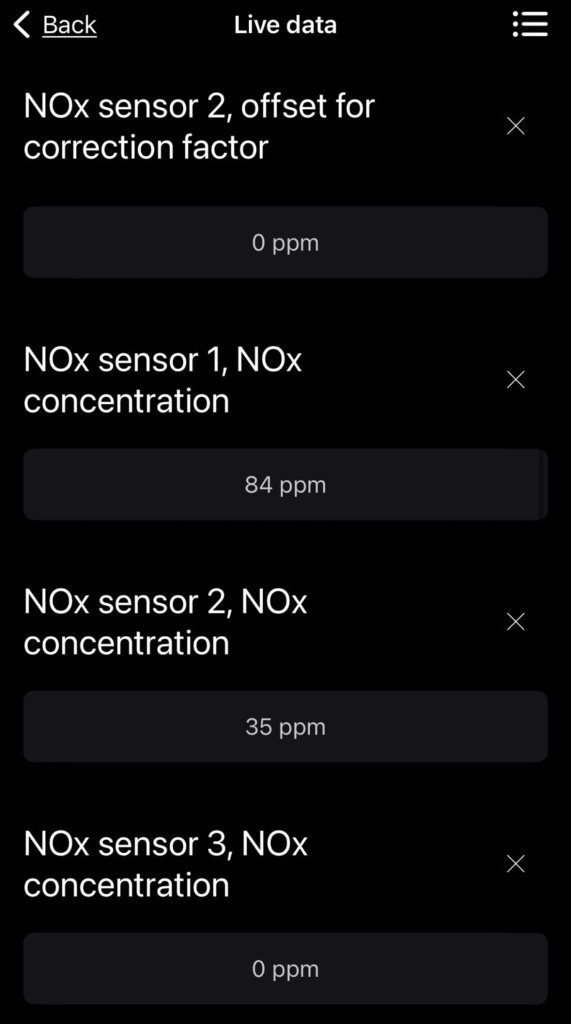
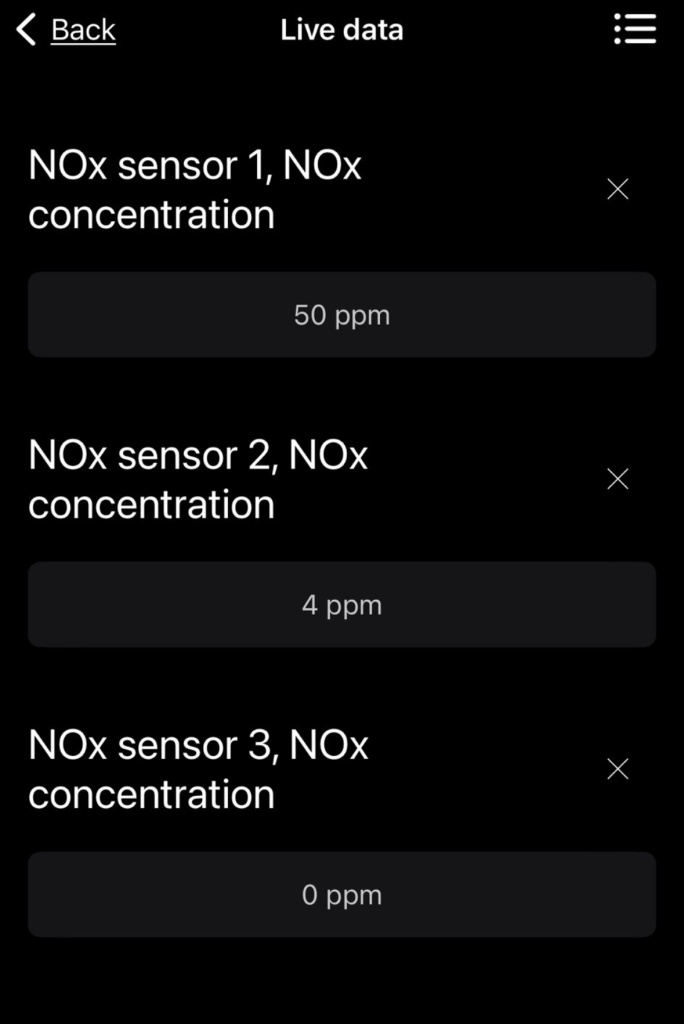
    I’ve been using HVO since Cetra started to sell in Ireland. So just over a year. Car is running like a dream. Nox levels are significantly reduced and theres zero smoke at all. My car had DPF delete and on normal diesel there would be occasional puff of smoke while on HVo theres none.
    Check below data log from normal diesel and HVO. Nox reading recorded at 120kmh on the cruise control on the same road. HVo is producing significantly less NOx.

    IMG_4267.jpeg IMG_4268.jpeg


  • Registered Users, Registered Users 2 Posts: 13,207 ✭✭✭✭Calahonda52


    Posts 163 and 164: thank you for balanced posts

    AS for the " too good to be true" posters

    As for the grease doubters

    “I can’t pay my staff or mortgage with instagram likes”.


  • Registered Users, Registered Users 2 Posts: 13,207 ✭✭✭✭Calahonda52


    “I can’t pay my staff or mortgage with instagram likes”.


  • Posts: 0 [Deleted User]


    So Nox down much higher than w124man claims and you have proof, that's great data to have thanks for sharing !

    Co2 isn't a primary driver in climate change, this is nonsense and the IPCC know it. The Earth has been much warmer in the past with far less Co2, the only issue with Co2 in reality is the the effect of Ocean acidity, however, scientists have very cleverly discovered a way to extract Co2 from the Ocean that is 5 times more efficient than extraction from the air for the use of Synthetic fuels.

    So what we may have in the future , initially, until pure synthetics are ramped up is to have synthetic fuels mixed with the likes of HVO100, this would have a significant effect on emissions, they could probably do the same for Petrol only petrol cars.

    The more synthetics and bio fuel they can make is less land and water destroyed for lithium batteries, there are growing concerns about the billions of gallons of fresh water sucked out of the ground in Chile to produce lithium + there is massive quantities of sulphuric acid needed too, this is causing contamination to ground water supplies, lithium alone is dangerous in water, all this is before we even get to cobalt and not mentioning the devastation in China from the mining and production of all these minerals.

    More renewable energy can go into producing synthetic fuels and Nuclear of course has the potential to make electricity and vast quantities of hydrogen and it's still illegal in Ireland something we seriously need to rectify because our electricity requirements are only going to grow and Nuclear tech is advancing and in the next Decade we will see Nuclear reactors that can be scaled down from as little as 1 Mw all the way up to 1Gw or more so this would be ideal for Ireland this kind of tech + these reactors produce a fraction of the waste and can burn existing nuclear waste. But getting politicians and people to accept Nuclear in Ireland will be a massive challenge but they can brainwash people into thinking Ireland is changing the climate with our minuscule emissions so they can surely convince people that Nuclear would be a major way for Ireland to reduce emissions and it would do it a lot faster than wind and solar. First of all it would need to be made legal. There is no excuse in 2025 to have a law that makes nuclear energy illegal !


  • Posts: 0 [Deleted User]


    I was wrong, extracting Co2 from the Ocean is around 150 times more efficient than extraction from air.

    + I'm just finding out that the process also produces Hydrogen and by 2028 expect to remove millions of tonnes of Co2 a year from the oceans.

    https://spectrum.ieee.org/direct-ocean-carbon-capture


  • Registered Users, Registered Users 2 Posts: 5,542 ✭✭✭mikeecho


    Re the petrol bit.

    There is now a semi synthetic petrol available in some countries.

    It's 95ron , E5, & 10XTL.

    Apparently they have HVO petrol now (that's the xtl bit)

    It's called miles 95 bio, and it's just been launched in Sweden.

    https://bioenergyinternational.com/circle-k-launches-gasoline-15-renewable-content-sweden/


  • Posts: 0 [Deleted User]


    Oh cool, never heard of it, thanks.

    "According to Circle K Sverige, the product consists of a fossil 95-liter gasoline with 5 percent ethanol and up to 10 percent renewable gasoline, a so-called HVO gasoline. HVO gasoline is a 100 percent renewable gasoline derived from residues and waste."

    That's progress, Maybe when true synthetics like those using Co2 captured from seawater become available we might see it 30-50% renewable petrol.

    The problem is that the Government don't recognise these fuels as reducing Co2 and won't reduce the tax for obvious reasons as the sheer gravy train of income from fossil fuels which by right should have less carbon tax applied if they emit less CO2 and come from renewable/synthetic sources.

    This should help greatly to reduce carbon build up on the valves of direct injection petrol engines.

    The carbon capture from sea water produces Hydrogen as a by-product which can be used to produce synthetic fuels which use Co2 and Hydrogen.

    I really don't believe they are only discovering this type of technology now………


  • Registered Users, Registered Users 2 Posts: 5,542 ✭✭✭mikeecho


  • Advertisement
  • Posts: 0 [Deleted User]


    Yes I know about this but Porsche are only interested in F1 applications for E-Fuel currently, this could change in the coming years.


  • Registered Users, Registered Users 2 Posts: 15,044 ✭✭✭✭Red Silurian


    Actual tailpipe emissions are between 20% and 35% depending on the use. The reduction in NoX is about 15%, CO is down by 25% and smoke is almost non existent. All good for the environment.

    To be fair 35%, 15% and 25% are all less than 90% so the statement of "up to 90% reduction in emissions" is indeed true. They could also have stated "over 5% reduction in emissions" and it would also have been true. I wonder why they didn't go with the latter?


  • Registered Users, Registered Users 2 Posts: 764 ✭✭✭kaahooters


    synthetic petrol is never going to be affordable, porche themselfs are aiming for $2 per liter befor tax.

    hvo, is less bad, but its not good.

    Hydrogen is sooo expensive, and its failed in every market its been trialed in.

    evs seem to be the only real viable option, yes it has issues, but, its cheaper then the others, and droping every 6 months, and the damage caused from mining, is reversable on a much shorter timescale then co2 emissions.


  • Registered Users, Registered Users 2 Posts: 15,044 ✭✭✭✭Red Silurian


    The problem really with fuels like hydrogen and HVO is that while they can be environmentally friendly much of it isn't. While you can produce hydrogen from electrolysis and HVO from food waste. However most of the worlds hydrogen is produced from steam methane reforming and most HVO is made with palm oil. Neither particularly good for the environment

    There was a lot of hype about e-fuel a few months back. It's effectively hydrogen in a petrol car so again I refer to the above comment about hydrogen

    Both fuels also need to be transported (which uses energy and emits carbon) and while hydrogen has zero emissions at the tailpipe HVO has about 30% less than Diesel, which is a welcome reduction don't get me wrong

    Considering the EU is aiming for zero emissions only in new vehicles by 2030 HVO will likely not last far beyond 2038 as the average lifespan of new cars is 8 years. Hydrogen would technically be allowed but the manufacturers only have 5.5 years to come up with one


  • Registered Users, Registered Users 2 Posts: 2,392 ✭✭✭w124man


    The 90% claim of CO2 reduction is a quoted maximum but in reality the average is 85% or so. This figure is not tailpipe emissions reduction either. If the purest version of the fuel is used, greenhouse gas emissions can be reduced by up to 90% over the fuel’s life cycle compared to fossil diesel.

    HVO sold in the EU does not contain palm oil as stated by another poster


  • Registered Users, Registered Users 2 Posts: 15,044 ✭✭✭✭Red Silurian


    85% reduction is good in fairness, especially when you consider the costs shared with diesel like transporting the stuff to filling stations. It also reduces reliance on the middle east for oil which is no harm either. The mandate for 2035 is for Zero Emissions vehicles only though so it will be short lived unless they can apply it to stuff like shipping and aircraft

    I wonder if power plants that use HVO with increased efficiency is a runner for our national grid. Like it or not we will need more electricity in our national grid in the coming years.

    Palm oil is currently being phased out in mainland Europe by 2030 so its use in HVO will be allowed until then, without scrutinising the paperwork from HVO suppliers it's impossible to determine how much is used now.


  • Registered Users, Registered Users 2 Posts: 2,392 ✭✭✭w124man


    EU spec HVO100 does not contain palm oil. Bio diesel does and theres the difference! The Port and Docks board use it in their tug boats and pilot boats. The mandate for 2035 is for new vehicles so there will be plenty of older vehicles in use way past that date. You can use it in your central heating boiler if you like !!


  • Registered Users, Registered Users 2 Posts: 298 ✭✭Citroen2cv


    I used hvo for a few fills on our smoky (on startup)1.6crdi kia. There was a huge difference using the hvo, now it is not smoky anymore.


  • Posts: 0 [Deleted User]


    it's crazy to think the Government still refuse to lower tax on HvO to encourage uptake, if they think IcE cars are going anywhere in the next 20+ years they're dreaming, no matter how much tax they impose on fuel, people will just save more and more by driving older and older cars, get engine rebuilt if they have to, still a lot cheaper than any new car.


  • Advertisement
  • Registered Users, Registered Users 2 Posts: 764 ✭✭✭kaahooters


    Yeah, not as likely as you think. There's a shortage of mechanics at the moment, and that's only going to get worse. EVs are easier to work on with fewer moving parts and such.

    If (big if) sales of ICE cars stop in 2030 (as an example), warranties will last for 5 years, and parts will be available for another 5 years after that. So, the end of life (EOL) for a new car bought in 2030 would be 2040.

    Don't get me wrong, there will still be niches. Mercedes will be one, as they will remanufacture any part for any car since the 60s, but it will be super expensive.


Advertisement
Advertisement