Advertisement
Help Keep Boards Alive. Support us by going ad free today. See here: https://subscriptions.boards.ie/.
https://www.boards.ie/group/1878-subscribers-forum

Private Group for paid up members of Boards.ie. Join the club.
Hi all, please see this major site announcement: https://www.boards.ie/discussion/2058427594/boards-ie-2026

How often do you go to the pub?

12345679»

Comments

  • Registered Users, Registered Users 2 Posts: 992 ✭✭✭midlander12


    Well FWIW I intend moving into a town or village at some stage as I get older. However, the vast majority of my neighbours are from the area and their families have lived here for generations, and only a handful of them are farmers. And there have been very few new houses built in the 20 years I've been here. As regards 'the local shop', it doesn't have anything in stock that would amount to a decent snack let alone a dinner, and I doubt it ever did.

    I agree with you in general about the social and other costs of rural living, but it's not a recent thing. We're a much more urban society now than we were when I was a child in the 1960's and 70's.


  • Registered Users, Registered Users 2, Paid Member Posts: 11,730 ✭✭✭✭John_Rambo


    It's a wise move. As people get older, being closer to a town or village makes life much easier. The problem is that the damage was done over decades as generations moved out into one off housing and became so car dependent. The rural villages and small towns have lost their critical mass. The heart has been hollowed out of rural communities and it's very difficult to reverse.

    The reality is that the countryside hinterland was traditionally there to support farming and agriculture, while villages and towns were where people lived, worked, shopped and socialised. As housing became more dispersed, many of those functions moved away from the village centre, taking footfall, services and community life with them. Rebuilding that critical mass is far easier said than done.


  • Registered Users, Registered Users 2 Posts: 1,261 ✭✭✭techman1


    Once people started building one off houses scattered around the countryside and moving away from villages and town centres, the local pub lost the walking trade that kept it alive. Add in drink driving law

    @John_Rambo ,the one off housing phenomenon has been there since the early 70s with bungalow bliss etc, that was not the reason for the decline, if that was the case they would have been closing since the early 70s which didn't happen,its a phenomenon of the last decade therefore the reasons are grounded in changes in the last decade. In my opinion it was caused by the lowering of the drink drive limit in 2018 from 80 to 55mg, that has caused people to be still marginally above this new limit even the next morning. That has stopped people going to the pub at night for fear they will be over limit next morning. For context the UK and NI still have the higher limit. Therefore someone stopped in UK will be deemed OK but in this country they will be arrested for drink driving. Also the covid lockdowns and the huge rise in inflation since covid are far more relevant reasons.


  • Registered Users, Registered Users 2 Posts: 6,399 ✭✭✭Mister Vain


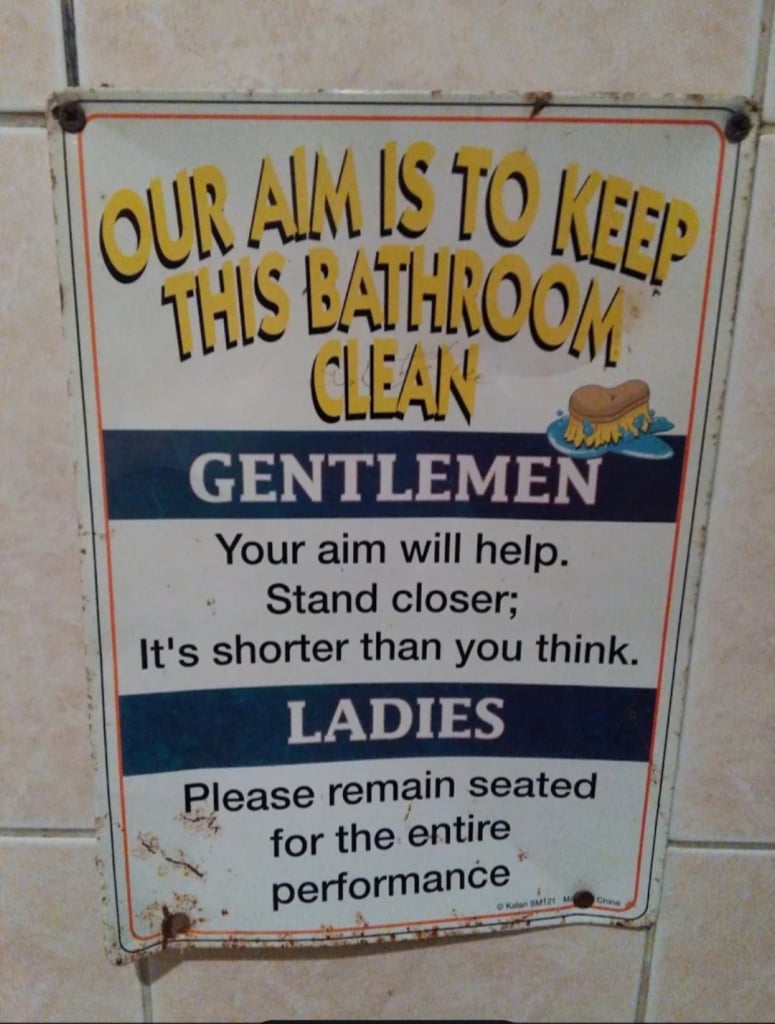
    Reminds me of this sign from The Five Lamps in Naas.

    1000013195.jpg


  • Registered Users, Registered Users 2 Posts: 970 ✭✭✭FazyLucker


    I think even the rust on the sign says it all 😂


  • Advertisement
  • Registered Users, Registered Users 2, Paid Member Posts: 11,730 ✭✭✭✭John_Rambo


    I think one off housing is far more central to this than many people want to admit.

    The decline of rural pubs, butchers, bakers, post offices, greengrocers and other village businesses didn't happen overnight. It was the result of decades of people moving out of towns and villages into dispersed housing across the countryside. Once people stopped living within walking distance of the village centre, the daily footfall that kept these businesses alive began to disappear.

    The fact that pubs didn't immediately start closing in the 1970s doesn't mean one off housing wasn't a factor. These things take decades to work through. Rural Ireland had larger families, a younger population and a much stronger pub going culture back then, which masked the effects. Eventually the bill came due.

    Drink driving laws, Covid and inflation have certainly accelerated the decline, but they hit communities that had already lost much of their critical mass. A pub, butcher or shop depends on a concentration of people living nearby and using it regularly. Spread those same people across miles of countryside and the economics become much harder. Getting caught drunk driving had nothing to do with their decline. 

    If morning after drink driving concerns were really the main reason for pub closures, then urban pubs would be suffering the same fate. Many aren't. In fact, plenty are busy because customers can walk, cycle, get a taxi, take public transport or simply leave the car at home. The key difference is not the drink driving limit. It's that urban areas still have a local population within easy reach.

    To me, one off housing sits right at the heart of this story. It changed how people live, shop and socialise, I've seen the change over the years in every rural town and village I know. It made the car essential for almost every journey and gradually hollowed out the customer base that sustained rural pubs, shops and services for generations. The drink driving laws may have been a blow, but the foundations had been weakening for decades, they were abandoned by the people to turn what was farmland in to badly designed housing estates with detached houses scattered everywhere.


  • Registered Users, Registered Users 2 Posts: 16,512 ✭✭✭✭Thelonious Monk


    As someone else said, The Lark. A bit rough but grand.


  • Registered Users, Registered Users 2 Posts: 34,874 ✭✭✭✭breezy1985


    If people are moving out of villages does that mean the houses in the actual villages are derelict ?

    How many people have actually left their village house for the sticks. Is it not usually city commuters or the children of village dwellers and farmers that build those houses ?

    Those farms turned estates you mentioned are not people from the village moving out for instance.

    And in the cities the butchers and small shops are dying off too. Access to cars is what's killed the traditional shops in Ireland.


  • Registered Users, Registered Users 2, Paid Member Posts: 11,730 ✭✭✭✭John_Rambo


    Yes, the houses in the villages are derelict. It's a huge problem. Do you live in Ireland? Do you not notice the boarded up, vacant and collapsing houses as you drive through villages and small towns? I see them everywhere. There are entire streets in some towns with buildings lying empty for years while we're supposedly in the middle of a housing crisis.

    And who told you butchers and small shops are dying in the cities? Quite the opposite. Many urban villages and city neighbourhoods have thriving independent butchers, bakeries, delicatessens, cafés and convenience stores because there is enough population density within walking distance to support them. That's why areas like Raheny, Clontarf, Stoneybatter, Ranelagh and countless others still have vibrant local shopping streets. Have you ever been to Shop street in Galway?

    In fact, some of the most successful retail areas in Ireland are pedestrianised or heavily focused on foot traffic. Grafton Street, Henry Street, South William Street, Capel Street and other city centre areas are packed with people every day. Businesses actively seek locations where there are lots of pedestrians, not acres of parking spaces in urban areas and cities where people are more active. 

    Of course the car changed retail habits, but that's only part of the story. When people moved out of villages and into dispersed one off housing, they took population, spending power and footfall with them. The critical mass that kept pubs, post offices, shops and services alive was gradually eroded.

    No, not every one off house was built by someone leaving a village, but the overall effect was the same. People became more car dependent, less connected to village centres and more likely to drive to retail parks and supermarkets. The local butcher, baker, pub and shop then had to compete with businesses that had thousands of customers passing their doors every day.

    Look around rural Ireland. Derelict houses, vacant commercial buildings and declining main streets are not isolated examples. They're visible in town after town. At the same time, many city neighbourhoods are seeing independent businesses open because that's where the customers actually are.

    Population density matters. Footfall matters. The evidence is right in front of us.


  • Registered Users, Registered Users 2 Posts: 6,043 ✭✭✭BlueSkyDreams


    Butchers and other local food stores are everywhere in Dublin.

    I dont know about the smaller cities, but Dublin isnt struggling to keep those kind of local shops open.

    Its a different story in rural ireland alright but thats population driven.


  • Advertisement
  • Registered Users, Registered Users 2, Paid Member Posts: 11,730 ✭✭✭✭John_Rambo


    Agreed, and in rural Ireland the population have abandoned the villages and towns to live in one of houses and shop in out of town retail units.


  • Registered Users, Registered Users 2 Posts: 34,874 ✭✭✭✭breezy1985


    Limerick still has butchers and independent shops but there has been a big reduction in butchers and the really well known old school local food, DIY, stationary/book and clothes/shoe shops are dropping fast. Been loads of established family shops disappeared recently.

    I don't drive around Ireland or anywhere. The few villages I do go to don't seem to have boarded up houses in the village centre. I was honestly asking though because don't know. I do know all the commercial stuff is boarded up though.

    As for cities I totally agree. Cafes, bakeries and delicatessens are booming but those pedestrian streets you speak of are full of international chains not the family shops that exist in villages. Those old family shops are going in cities too with the exception of a select few butchers who have moved with the times.


  • Registered Users, Registered Users 2 Posts: 492 ✭✭JM2300


  • Registered Users, Registered Users 2, Paid Member Posts: 11,730 ✭✭✭✭John_Rambo


    You're actually making my point. Small businesses are thriving in many cities. Independent cafés, bakeries, delicatessens, speciality food shops, restaurants and niche retailers are opening all the time in urban areas because the footfall is there.

    The difference is density. Cities have enough people living, working and walking around to support independent businesses. Many villages and small towns have lost that critical mass as development spread out into one off housing and people became increasingly dependent on the car. Once people stop living and spending money in the centre of a town or village, local businesses struggle.

    That's why you can have thriving pedestrianised streets full of independent businesses in cities while at the same time seeing vacant shops and derelict properties in many rural towns and villages.

    Very true, farmhouses and cottages have existed for centuries, but they were generally homes for people who worked the surrounding land. They walked, cycled, rode horses or used carts, and many were at least partly self sufficient.

    The modern one off house is often something quite different. It's frequently occupied by people with little connection to the land who commute by car for work, school, shopping and leisure. They're more likely to buy their vegetables in an out of town Aldi than grow them in the soil around them.

    It's also worth remembering that rural roads were once used by walkers, cyclists and horse riders. Today's traffic levels and speeds have made many of those roads far less pleasant and far less safe for anyone not travelling by car.

    So yes, one off houses have existed for centuries. But comparing a traditional farmhouse to modern dispersed, car dependent housing is comparing two very different ways of living.


  • Registered Users, Registered Users 2 Posts: 34,874 ✭✭✭✭breezy1985


    We are not disagreeing with each other.

    New business are doing well in the city and in some villages and towns too mostly the ones commutablefrom cities. The old ones closing in towns and villages are closing in cities too. Go on any city based retail forum on Boards and you will see exactly what I am talking about.


  • Registered Users, Registered Users 2 Posts: 6,399 ✭✭✭Mister Vain


  • Registered Users, Registered Users 2, Paid Member Posts: 7,884 ✭✭✭Allinall


  • Registered Users, Registered Users 2 Posts: 1,261 ✭✭✭techman1


    Probably attracted a crowd that not normally from area due to its novelty factor of it being a "Lidl pub" a bit like Conor mcgregor's forge inn attracting some trouble due to his "celebrity" and novelty factor. Didn't know that the north had the same very restrictive licensing laws like this side of border. Its the one thing the authorities here seem welded to the circa 1904 licensing laws the same as the north.


  • Registered Users, Registered Users 2 Posts: 9,124 ✭✭✭Trampas


    McGregors pub when it was the Bentley always attracted clientele from outside the area. That’s going back 30 years


  • Registered Users, Registered Users 2 Posts: 27,083 ✭✭✭✭Mrs OBumble


    No you won't.

    Galway has a lot of empty shops, some in Shop St, more in the surrounding streets. Yes there are some new independent bakeries and cafes. Only two inner city butchers left, though, and a number of suburban and shopping centre ones have closed too. There's Starbucks in Quay St and more closures overall than openings.

    Online shopping has had a huge effect in urban areas.


  • Advertisement
  • Registered Users, Registered Users 2 Posts: 34,874 ✭✭✭✭breezy1985


    What do you mean no I won't. I'm saying exactly what you are saying.


Advertisement
Advertisement