Advertisement
Help Keep Boards Alive. Support us by going ad free today. See here: https://subscriptions.boards.ie/.
https://www.boards.ie/group/1878-subscribers-forum

Private Group for paid up members of Boards.ie. Join the club.
Hi all, please see this major site announcement: https://www.boards.ie/discussion/2058427594/boards-ie-2026

The compost heap - off topic thread

11011121315

Comments

  • Registered Users, Registered Users 2 Posts: 2,486 ✭✭✭tampopo


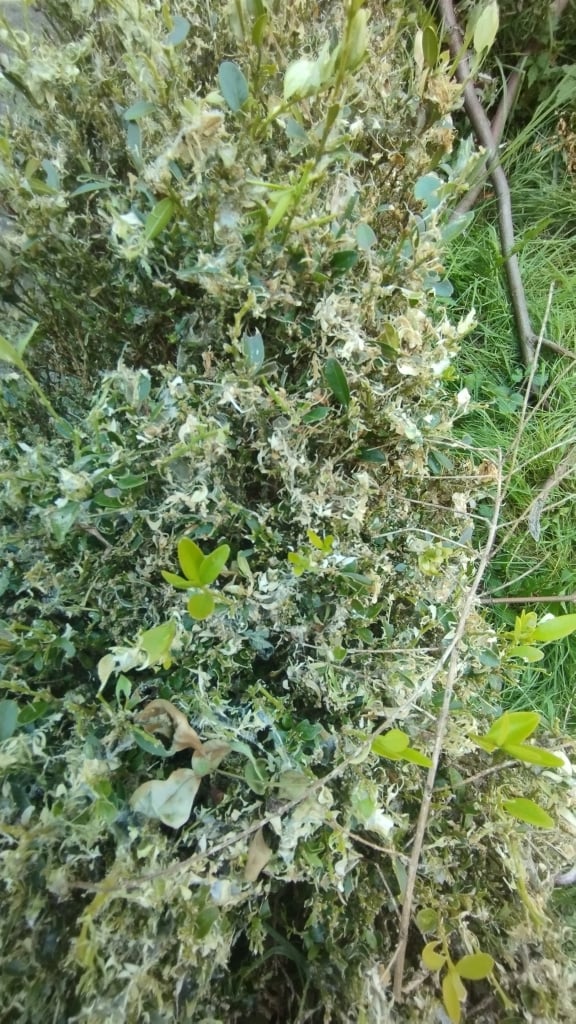
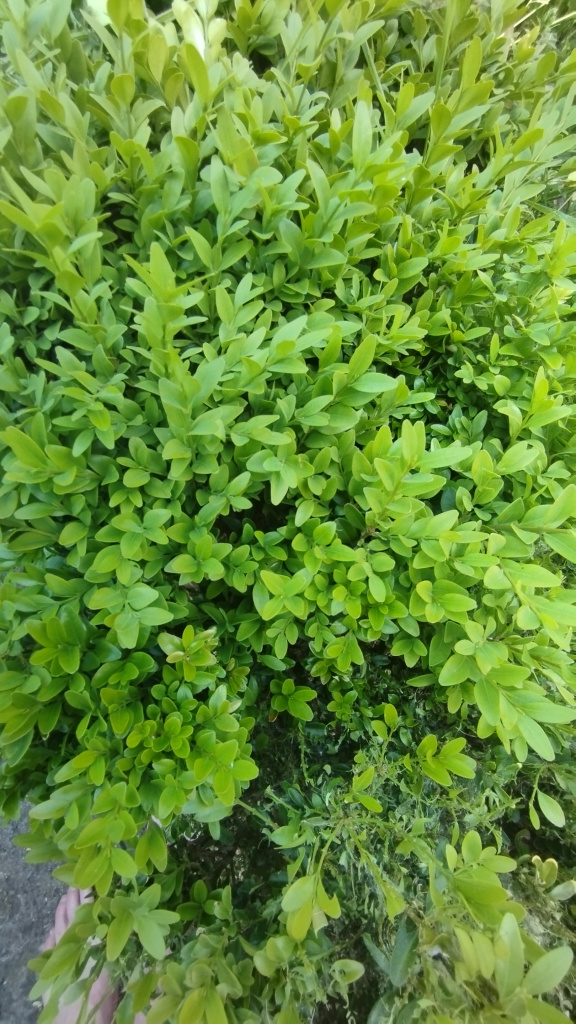
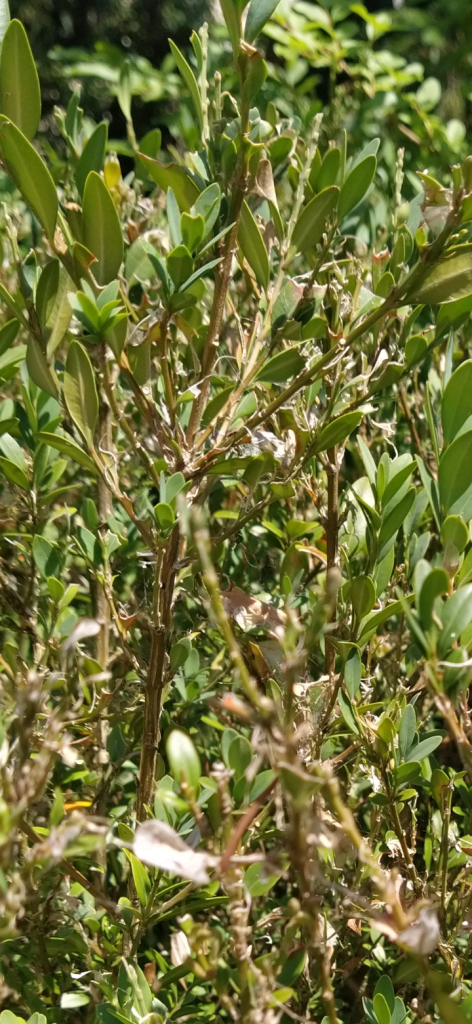
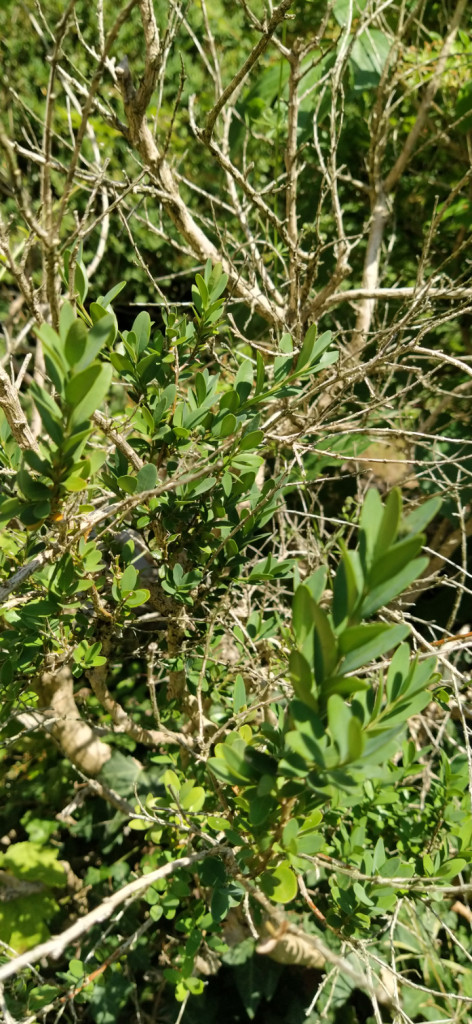
    Is this a type of box blight? Same hedge further along. A foot high.

    IMG_20260526_142815.jpg IMG_20260526_142823.jpg

    maybe another photo, in focus, would help…


  • Registered Users, Registered Users 2 Posts: 6,858 ✭✭✭standardg60


    Box moth caterpillar unfortunately

    Product called xentauri or powerhose them off and squish.


  • Registered Users, Registered Users 2 Posts: 2,486 ✭✭✭tampopo


  • Moderators, Arts Moderators, Recreation & Hobbies Moderators, Social & Fun Moderators Posts: 81,085 Mod ✭✭✭✭New Home


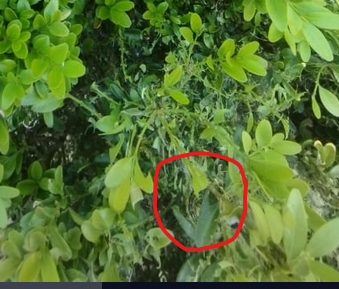
    For immediate treatment in a very limited area you can use normal insecticide (e.g Raid) - box moth caterpillar can devour a full box hedge overnight. Other than that, you can use XenTari or a similar product that contains Bacillus thuringiensis.

    You can clearly see one of the caterpillars here:

    image.png


  • Registered Users, Registered Users 2 Posts: 1,182 ✭✭✭cobham


    Yes I have given up the battle. I have been away for 4 days and remaining good sections are all gone. I had been using a homemade spray that I think delayed the final end. Go out at sunset and you will see great activity. They are deep in the hedge as well as munching on the fresh leaves. Apparantly they attack the bark/stems as well. Now I have the problem of getting rid of dead hedges…


  • Advertisement
  • Moderators, Arts Moderators, Recreation & Hobbies Moderators, Social & Fun Moderators Posts: 81,085 Mod ✭✭✭✭New Home


    Nah, the bark will be fine.

    Spray the hedge anyway, the plants aren't dead and will recover. I'm speaking from experience. Plus, you'll contain the spread of the parasites.

    Just remember to spray it regularly throughout the year. I'll post a pic of mine later.


  • Registered Users, Registered Users 2 Posts: 1,182 ✭✭✭cobham


    Oh I have heard they munch bark/stems. The hedge that got badly hit last year is totally dead… hard to cut thru deadwood. I will focus on taking as many cuttings of euonymous that I also have grown as a tall hedge that hides the wheelie bins. Getting rid of old hedge is the problem now. Having no grass front or back, I was overly reliant on the box to provide 'green' backdrop to gardens in winter.


  • Registered Users, Registered Users 2 Posts: 6,858 ✭✭✭standardg60


    They do actually eat the bark when the leaves are gone which is what eventually kills the plants.


  • Moderators, Arts Moderators, Recreation & Hobbies Moderators, Social & Fun Moderators Posts: 81,085 Mod ✭✭✭✭New Home


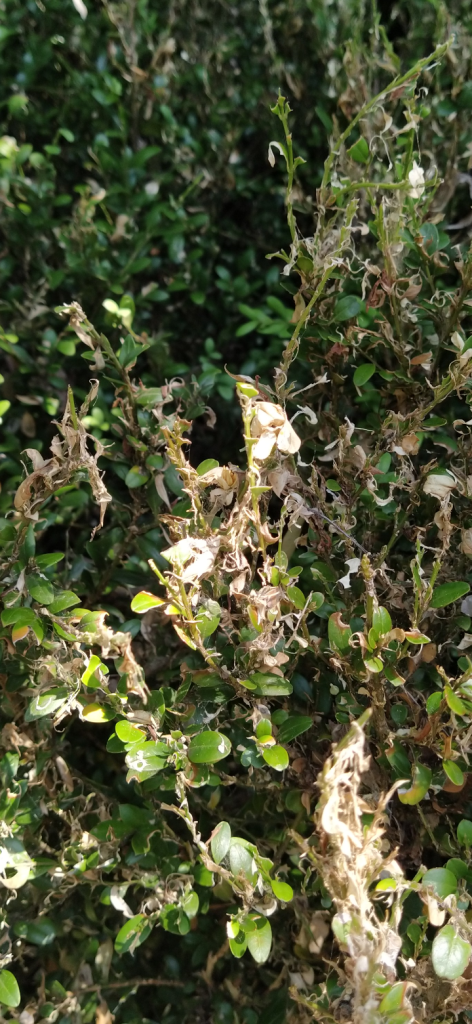
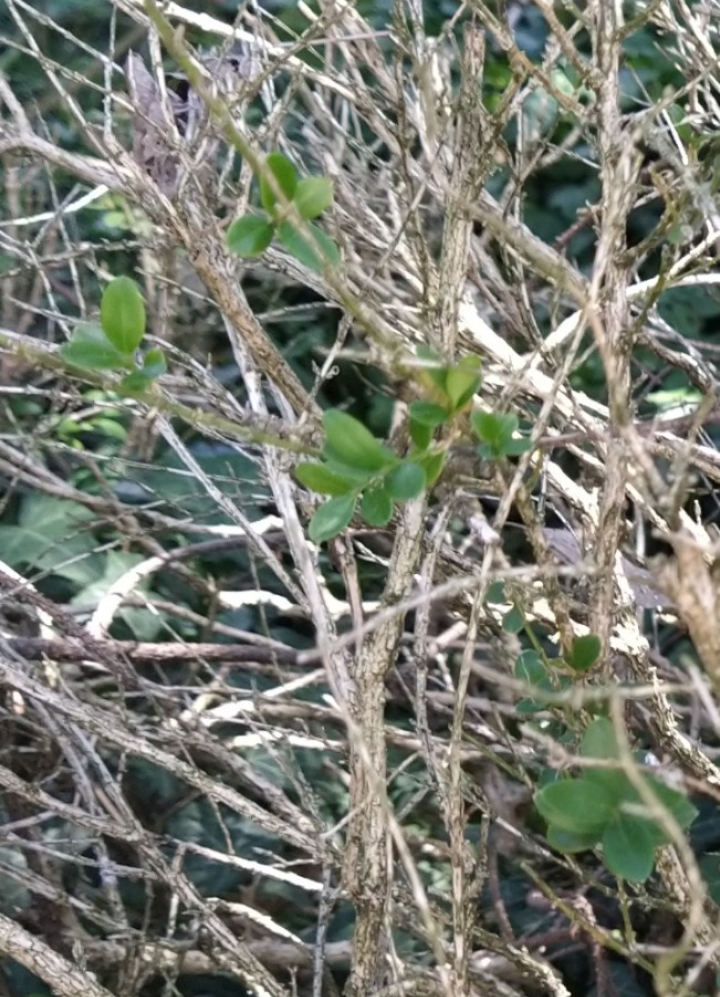
    These are mine, this year. Some of last year's damage had started to recover, but this year I was away when the caterpillars appeared and I had to leave in the hands of someone who wouldn't be able to tell a daisy and a sunflower apart.

    They often take over a year to recover and show signs of life, but they do come back. The whole length of hedge was devoured over 15 years ago, it grew back as lucious as ever in about 2-3 years. Some varieties seem to be more resistant and less appetising for the caterpillars.

    Screenshot_20260529-153125.png Screenshot_20260529-153305.png Screenshot_20260529-153320.png Screenshot_20260529-163109~2.png


  • Registered Users, Registered Users 2 Posts: 6,858 ✭✭✭standardg60


    Sorry but if it was over 15 years ago it was something else (possibly weather given the two bad winters we had). BMC was first recorded here in 2018, and was quite localised to small areas of Dublin really until 2/3 years ago in my experience.

    It definitely eats the bark..


  • Advertisement
  • Moderators, Arts Moderators, Recreation & Hobbies Moderators, Social & Fun Moderators Posts: 81,085 Mod ✭✭✭✭New Home


    No, definitely, 100% Cydalima perspectalis. I'll pm you.


  • Registered Users, Registered Users 2 Posts: 1,182 ✭✭✭cobham


    Box Blight was around 15 yrs ago and is what make Monty Don get rid of his box hedges.


  • Moderators, Arts Moderators, Recreation & Hobbies Moderators, Social & Fun Moderators Posts: 81,085 Mod ✭✭✭✭New Home


    I think it arrived from Asia into the UK in either 2004 or 2008 or thereabouts, but it was also rampaging through Europe at that point Wikipedia has an page on it.


  • Registered Users, Registered Users 2 Posts: 2,486 ✭✭✭tampopo


    I reported them to the Biodiversity Ireland website fwiw. i got a lend of a high powered water jet and went through the hedge. Didn't see any fall out to squish. I've let the grass grow tall on the side with grass. The other side is path to the house from the gate.


  • Registered Users, Registered Users 2 Posts: 2,486 ✭✭✭tampopo


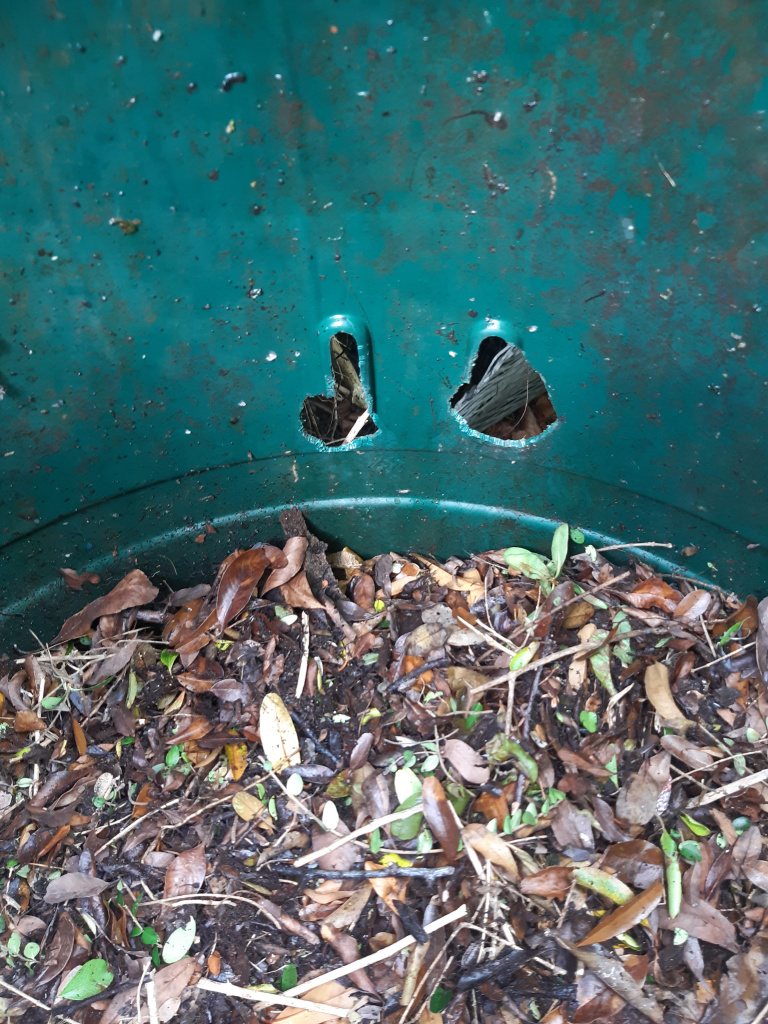
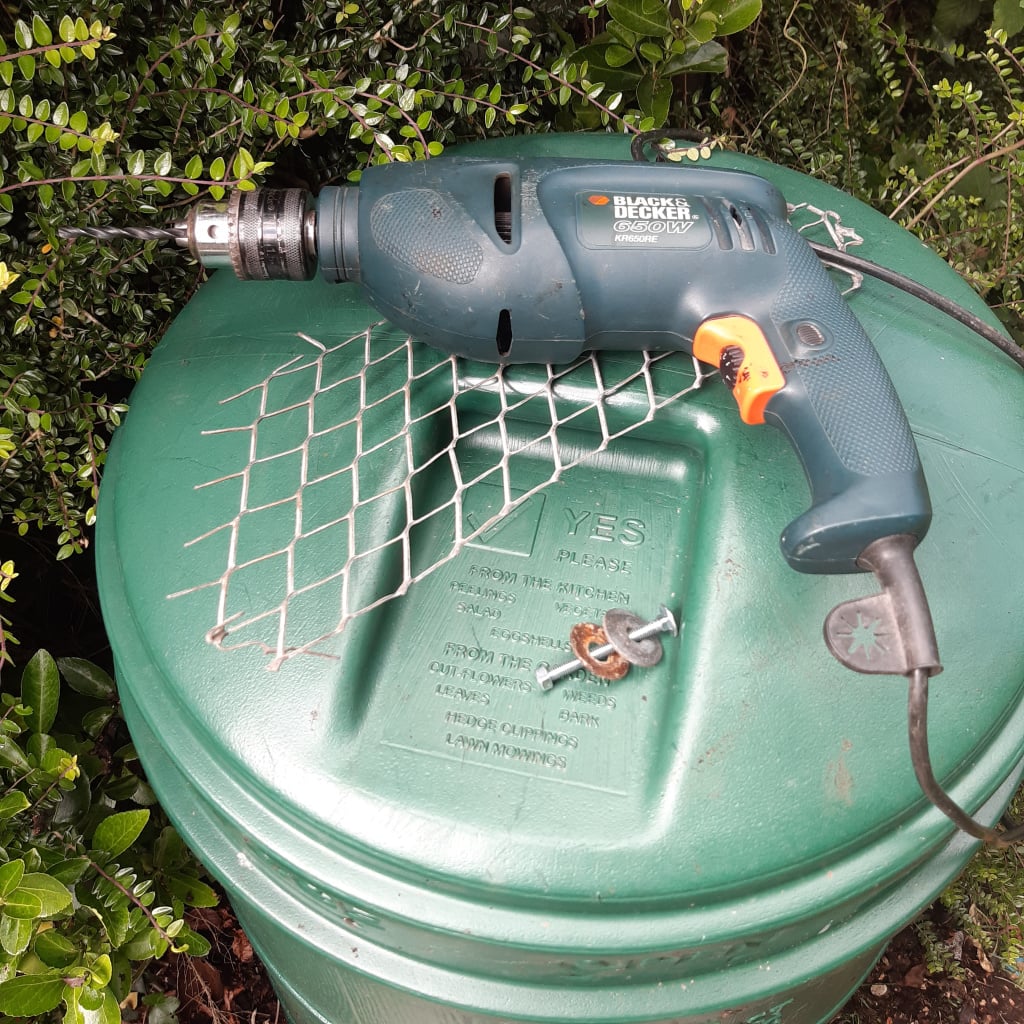
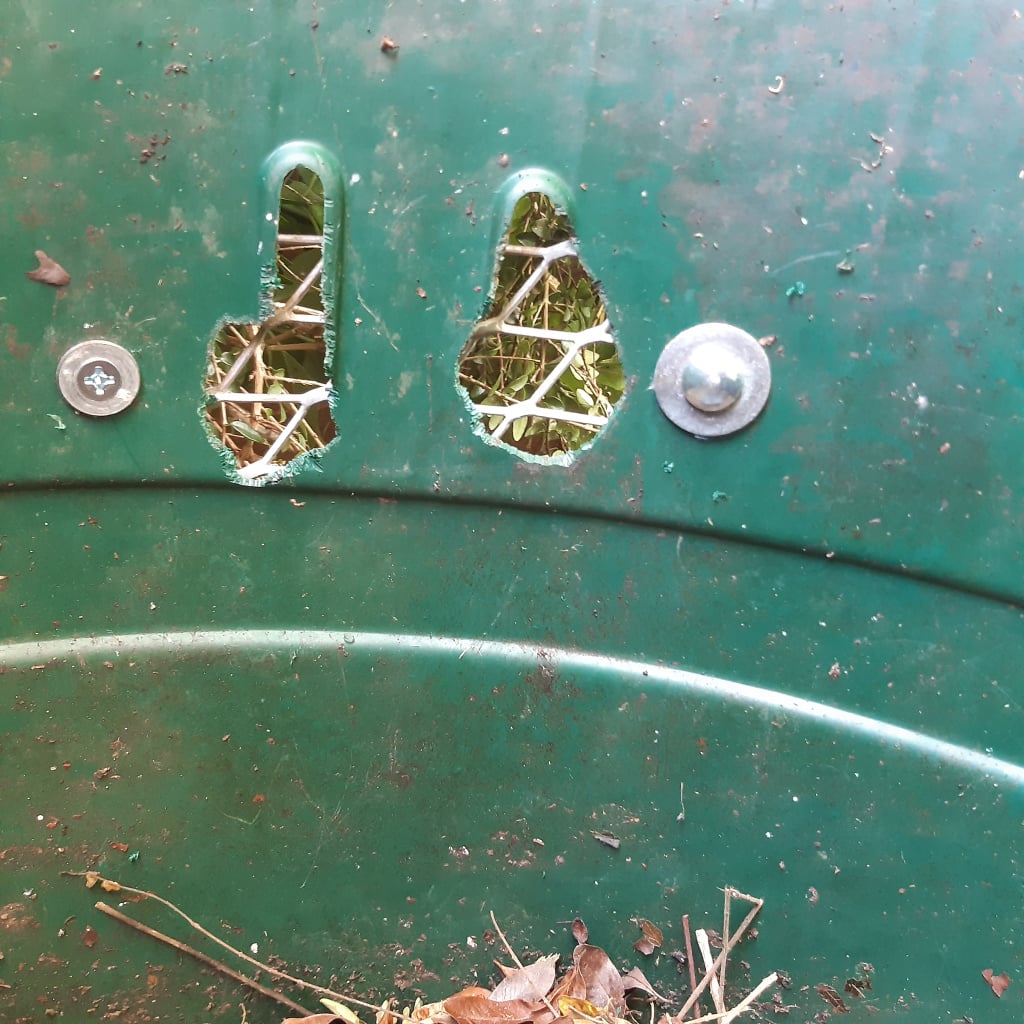
    Three years this week since I had to take drastic action, after rats had chewed through my compost bin.

    20230507_131303.jpg 20230527_151942.jpg 20230527_152634.jpg


  • Registered Users, Registered Users 2, Paid Member Posts: 31,685 ✭✭✭✭looksee


    Do you keep cooked food scraps strictly out of the bin? I haven't had any issues with mine though I know there are rats out there, they got into the oil boiler (its now rat proof) which is right beside the compost bin. Absolutely only raw veg scraps and garden stuff goes into it though.


  • Registered Users, Registered Users 2 Posts: 2,486 ✭✭✭tampopo


    yeah, only fruit and veg peelings. As mentioned before, we eat all our food at meal times. occasionally grass. leaves in autumn.

    they got in again recently, under it, so l had to install wire mesh beneath it. I was weeks in denial about it.


  • Registered Users, Registered Users 2 Posts: 3,696 ✭✭✭paddylonglegs


    what’s our thoughts on Bloom?

    As someone going with young kids and a partner less enthusiastic about gardening, I made the fatal mistake of forgetting it’s not about gardening!

    There was more time spent looking at garden furniture, barbecues, and queueing for ice cream than getting to see much about plants!


    Next time I’ll be leaving my gardeners hat at home


  • Registered Users, Registered Users 2, Paid Member Posts: 6,474 ✭✭✭dmcdona


    Was there a few years back. It was quite nice and I enjoyed being there. If I wanted hardcore gardening stuff though, Bloom would be the last place I'd choose. Maybe Chelsea or off to one of RHS gardens.

    But I'm glad I went - as long as you're aware that it's more about food and family, it's still a good day out and the price wasn't extortionate.


  • Moderators, Category Moderators, Arts Moderators, Sports Moderators, Paid Member Posts: 56,288 CMod ✭✭✭✭magicbastarder


    this is not your average video about gardening.


  • Advertisement
  • Registered Users, Registered Users 2, Paid Member Posts: 6,474 ✭✭✭dmcdona


    Simply brilliant and brilliantly simple. Charles Dowding with serious attitude.


  • Registered Users, Registered Users 2 Posts: 6,858 ✭✭✭standardg60


    I think it was Gerry Daly who complained about the lack of native planting along our motorway network when it started to be laid out and it was subsequently changed to native going forward.

    The Mullingar bypass was originally planted with red and yellow barked dogwood when it first opened, there are still bits of it there today. While not the most beneficial to wildlife it did look class in comparison to the general rather boring collage we get today.


  • Registered Users, Registered Users 2 Posts: 3,696 ✭✭✭paddylonglegs


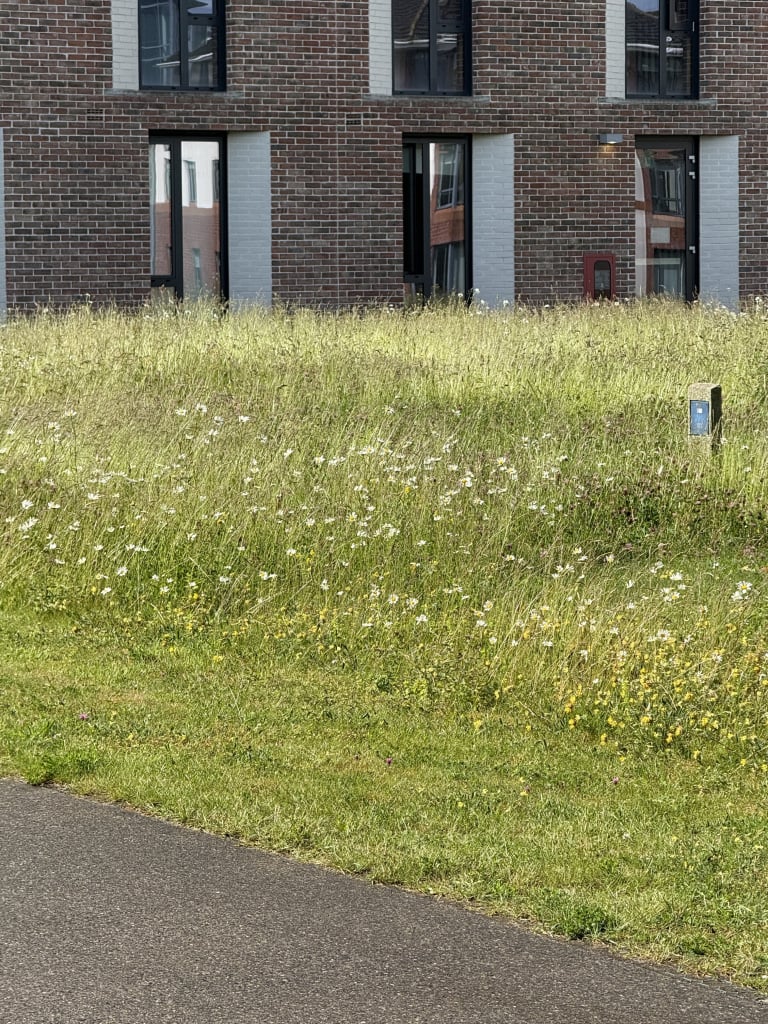
    IMG_7464.jpeg

    going through the Maynooth campus earlier, and noted the difference between their natural grass, and my lawn grass which shoots right back up very aggressively after trying to get rid of it for a wildflower area. I understand my grass is a specific species for lawns, and when I do get time to remove the turf I’d love to have it looking like this. I wonder is this the 50/50 mix of wild grass and will flower which the likes of connecting nature sell?


  • Registered Users, Registered Users 2 Posts: 10,226 ✭✭✭✭The Continental Op


    You've been caught by the big con of wildflower meadows. You can adjust the seed mix on a new wild lawn to look good for the first couple of years then the normal grasses will move in and a few years later its back to the normal. Why do you think farmers tear up old grass and reseed?

    What has probably happened here is an even bigger con. A well maintained area with small leaved low growing grasses has been left uncut. All the armchair "environmentalists" will say how everything's better when we don't mow but in a few years it won't have been maintained correctly and will look a right mess.

    I'm not saying we can't have natural wildflower meadows but the hint is in the word meadow. A meadow is a field you take a hay cut off and the graze stock on. The wildflowers that grow are as a result of hay being cut late in the summer and then the grazing keeps the sward tight for the remains of the summer. Note also that the hay cut is taken away and not left in field to increase the soil fertility.

    Some sites are better able to accommodate a wild lawn because of soil type, soil depth, low soil fertility and aspect. Those are far more important to the long term results than the initial seed mix.

    LOL rant over ;-)

    Wake me up when it's all over.


  • Registered Users, Registered Users 2, Paid Member Posts: 31,685 ✭✭✭✭looksee


    I am trying the wildflower patch this year, and enjoying the variety of flowers that have grown this year, along with the local flowers that are already in the grass and have spread into the edges of the patch.

    At the same time I agree with you and am aware of the contradictions and issues. The bottom line is that I want a patch of rough grass and flower cover beside the pond, and if I end up with what is essentially in the rest of the grass, that will be ok.

    The most helpful aspect of this is that I have, for the moment, eliminated a large patch of the endless creeping buttercup. Some meadow buttercup has been introduced but that is not as thuggish as the creeping buttercup. Sheeps sorrel has appeared over the last couple of years and spread like mad, its beginning to be as dominant as the creeping buttercup and apparently can be even more of an issue.


  • Registered Users, Registered Users 2 Posts: 10,226 ✭✭✭✭The Continental Op


    Size can be the issue. Its not too difficult to cut (strim) a smaller area and take the cuttings away but on larger areas it becomes far to onerous.

    My "wild" areas that I will be cutting in another week or two are very small and I rely on perennial bulbs for the flower effect. Nice and easy to drive a lawn tractor over and "vacuum" the grass cuttings off.

    I nearly forgot I also have 200m of river bank to strim. Its covered in bluebells so I wait till they set seed before I cut it and I'm not worried about the fertility and bluebells are the only wild flower there so leave the cuttings on. Must get some fritillaria in that area.

    Wake me up when it's all over.


  • Registered Users, Registered Users 2, Paid Member Posts: 803 ✭✭✭waterfaerie


    We have areas of both here, cut and uncut, although none of it is grazed. The areas we don't cut are different to the areas we do cut but they are both valuable in different ways.

    We only use a scythe to cut and we've never introduced any seeds yet there are lots of wildflowers. This is after about 10 years. The areas close to the house, we scythe a few times over the summer but we don't keep it tight. That is full of the usual things like daisies, dandelions, buttercup, clover, birdsfoot trefoil etc.

    Then we have areas that we let grow tall and then scythe once a year at the end of the summer and we remove the hay but, as I said, we don't graze it. Without ever adding any seed, it's full of all sorts of flowers and we seem to always notice something new every year.

    There is too much land for us to get around to so we've quite happily let some of it be just completely wild and uncut. The main difference is that it doesn't look as well as the areas that are cut but it is still very ecologically valuable, in my opinion, just in a different way. There is a lot of thistle and dock, which support a lot of life. The thistle is completely covered in painted lady butterflies every year and the dock seeds support all sorts of birds. There are also lots of other things like vetch, cuckoo flower, sorrel, meadow buttercup, creeping buttercup, burdock, meadowsweet, cow parsley and a much wider variety of different types of grasses than were there originally. The thatch is quite dense and it's great habitat for things like frogs. We also have snipe breeding in these areas, which is quite rare and special.

    We are in a reasonably wet but not waterlogged area. We also have a lot of scutch grass but it only bothers us in the areas we want to cultivate. In the wilder areas, it's actually kept down a bit with the wide variety of competition. As you say, the result would probably be different in different soil types etc.

    Basically, if you cut it you'll be giving the annuals more of a chance and if you don't cut, there will be a wider variety of perennials and maybe some of the more vigorous annuals. If the goal is all about looks and having the idealistic "meadow", then cutting annually is the way to go but if your goal is to increase biodiversity, then a bit of both is the probably the best bet. Like anything to do with biodiversity, the more variety the better. @paddylonglegs if you have enough space you could try doing a patch each way and see what happens. If you do want to introduce seed, I would recommend buying individual species rather than those mixes.


  • Registered Users, Registered Users 2 Posts: 10,226 ✭✭✭✭The Continental Op


    If you have too much grass as I have had in most gardens I've worked in for the last 40 years then I go for a tiered effect.

    The "good" lawn near the house gets its regular cut and spray with cuttings being removed. Tier 2 is longer grass that is cut to about 2 inches sometimes its boxed off but when possible the cuttings stay on (this afternoons job). This tier also has a path(s) cut through it (grass taken off) at a lower cut. Tier 3 is longer grass that gets cut mid June and boxed off then cut to 2 inch for the rest of the year. After that there is also a tier 4 which gets strimmed just once a year but sometimes twice as it looks better in the spring if I strim it before the bulbs and bluebells come up in the spring.

    Wake me up when it's all over.


  • Moderators, Category Moderators, Arts Moderators, Sports Moderators, Paid Member Posts: 56,288 CMod ✭✭✭✭magicbastarder


    the front lawn in our house is pretty far from exhibition standard; the only treatment it's gotten in the 13 years we're here was a couple of dressings of mobacter - but a few years back a twayblade appeared in it. lasted a year or two (i much check if it's a biennial) but we've never seen one since.

    edit: it's a perennial. i wonder what happened to it, i was careful to not mow it.


  • Advertisement
  • Registered Users, Registered Users 2 Posts: 6,858 ✭✭✭standardg60


    Cordylines! Everywhere I look the last week or two I'm seeing spectacular displays of flowers, never seen them as good.

    A clear sign of climate change, back in the 80s/90s there was not a chance of a Cordyline flowering, they were just a palm tree. Now pulling up seedlings is a pretty regular occurrence.

    The purple/red leaved ones are today's equivalent of the green ones of 30 years ago, they don't flower. I'll be keeping an eye on my 20 yr old 20 ft high one though, probably just a matter of time fortunately or maybe unfortunately depending on your point of view.


Advertisement
Advertisement