Advertisement
Help Keep Boards Alive. Support us by going ad free today. See here: https://subscriptions.boards.ie/.
https://www.boards.ie/group/1878-subscribers-forum

Private Group for paid up members of Boards.ie. Join the club.
Hi all, please see this major site announcement: https://www.boards.ie/discussion/2058427594/boards-ie-2026

Wildlife pond

124»

Comments

  • Registered Users, Registered Users 2, Paid Member Posts: 31,308 ✭✭✭✭looksee


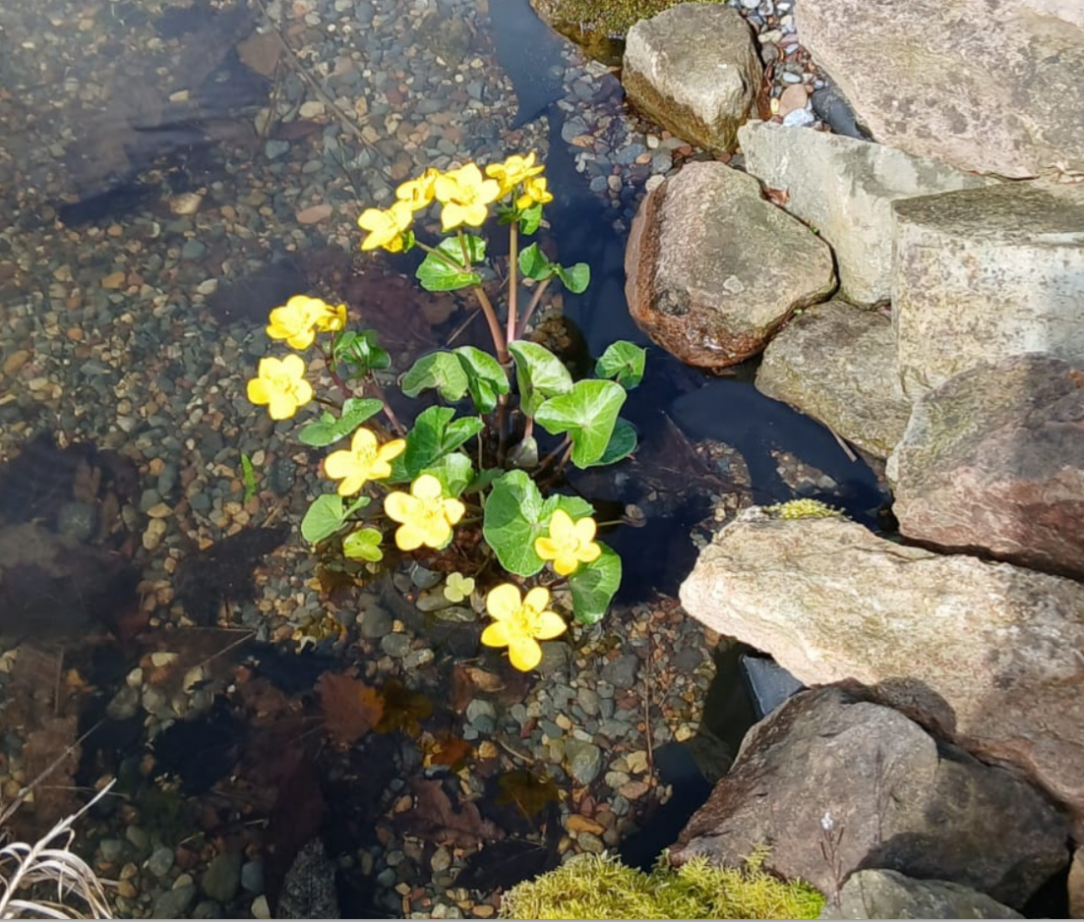
    image.png

    First flowers in the pond for this year, lots of things budding but this is the first to actually flower.


  • Registered Users, Registered Users 2, Paid Member Posts: 10,141 ✭✭✭✭10-10-20


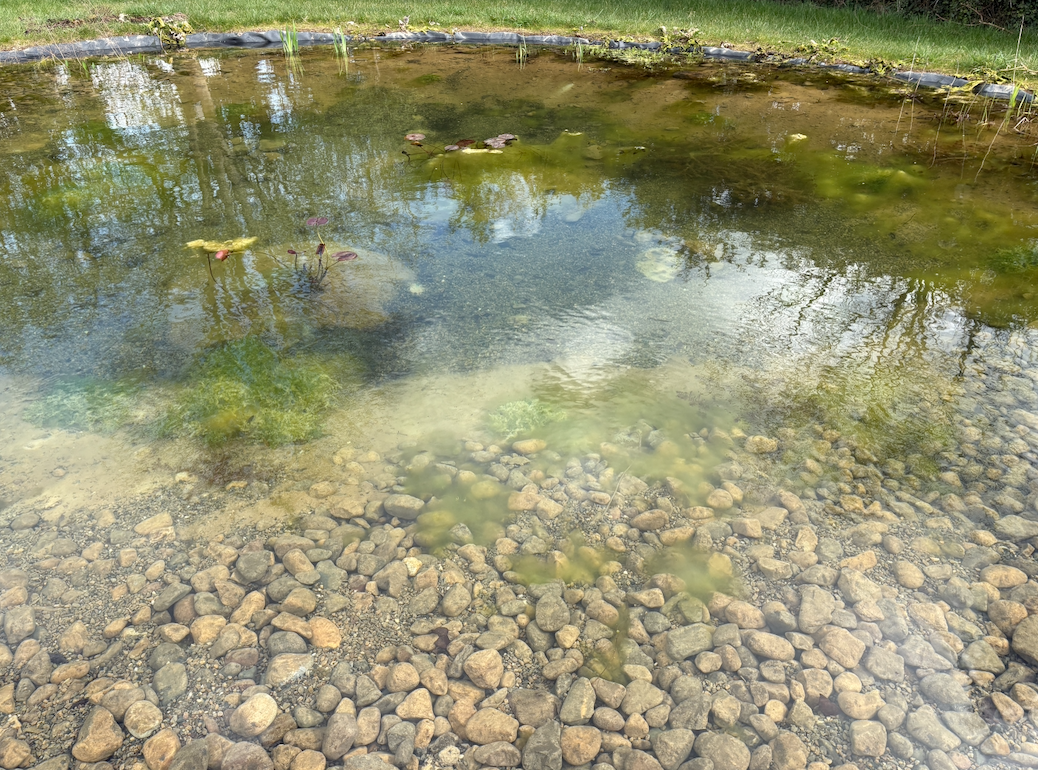
    That's very clean looking. The surface area of the shingle acts as a a big biological filter, so you benefit there as opposed to mine which is a plastic pond with an external media filter to provide surface area.


  • Moderators, Category Moderators, Arts Moderators, Sports Moderators, Paid Member Posts: 55,565 CMod ✭✭✭✭magicbastarder


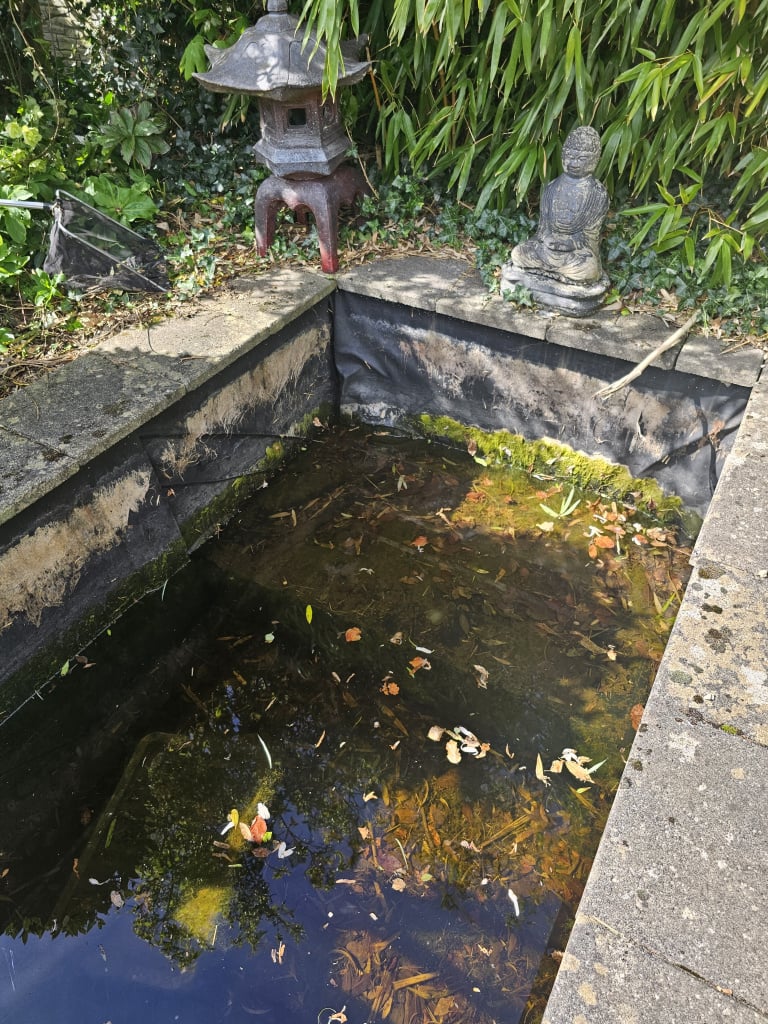
    i've a leak in the pond again - an old one, the patch came off in that recent spell of really wet weather, right during spawning time. it's a pain to fix as i need the level of the pond to drop a couple of inches below the leak to patch it again.


  • Registered Users, Registered Users 2 Posts: 18,452 ✭✭✭✭Thargor


    My bond is still a big algae filled mess again at the start of year 3-4, apart from hedgehogs drinking out of it and lots of water beetles shooting around down there there's nothing of interest biodiversity-wise to report again. all the oxygenating plants have survived the frosts and are starting to spread already so hopefully it improves this year. A couple of water lily pads already opening on the surface aswell.

    I can at least see to the (algae covered) bottom in half of it now so thats some improvement but Im wondering if now might be the time to go collect a sample from the bottom of a healthy pond and add it to see if I get something that will start eating algae and clearing the water a bit. No sign of frogspawn again.


  • Moderators, Category Moderators, Arts Moderators, Sports Moderators, Paid Member Posts: 55,565 CMod ✭✭✭✭magicbastarder


    i've said it before, but i think there must be something nutrient rich getting into your pond. if you've been removing the algae, it should have stopped appearing within weeks (based on my limited experience)


  • Advertisement
  • Registered Users, Registered Users 2, Paid Member Posts: 31,308 ✭✭✭✭looksee


    My water lilies are still sitting there, thinking about it. I'm getting a bit of spagnum moss in the pond, which is easy enough to get out, but the whole garden is covered in the stuff. There's still time for alge as the pond is still cold, as it warms up I will see how things are, but having the pebbles in a lot of it seems to be helping.

    Maybe take as much water as you safely can out of the pond, put in some 20mm pebbles, even if its just a couple of those bags you can buy and refill with preferably rain water. Wash the pebbles before putting them in though, I have been buying the loose ones and they look fine but are very dirty when you put them in, make a scum on the water.

    Do you have turf or soil of any sort on top of the edges of the liner? That might be how nutrients are getting in?

    Sorry if I am stating the obvious (or wrong) here, I am no expert!


  • Registered Users, Registered Users 2, Paid Member Posts: 10,141 ✭✭✭✭10-10-20


    A quick piece of guidance based on looksee's info. It's the nutrient both in the water and around the pebbles which is allowing the algae to grow. It's held in the water as nitrogen based compounds (such as nitrate and nitrite) and leeches out of decaying plant matter. The largest source in a natural pond (with no fish) is leaf-matter, which breaks up and falls between the pebbles and becomes a sludge; but runoff, atmospheric deposition, and as components of source water are also significant sources. Taking out the leaves is by in far the most effective way of dealing with excess nitrogen in the system.

    Washing pebbles is one way to cut it down, but the objective is actually to remove excess organic matter from the base of the pond and only to rinse the pebbles in pond water (not tap water due to the chlorine!) as this will leave the beneficial organic slimes and algae attached to the surface of the pebbles. Those beneficial slimes and algae actually break down nitrates and nitrites by consuming them and out-competing the pea green algae. And don't let the pebbles dry out either as many of those bottom dwelling slimes are anaerobic, meaning that they live and exist in low oxygen environments.

    Adding a pump and fountain or waterfall is beneficial too as this creates very active communities of aerobic algae (oxygen dependent), which again out-compete the green algae and work to keep the water clear. Oh - and planting lots of pond plants in suitable pond soil (and not common soil/clay), is another tool to manage green algae. As I said before, various mint plants are good for ponds as they build significant foliage and stems, so they consume the nutrients quite quickly (and can be trimmed back quite easily).

    So that's my view on the nitrogen cycle from about 5km high (ie, very simplistic).


  • Registered Users, Registered Users 2 Posts: 18,452 ✭✭✭✭Thargor


    No its a preformed pond and the lips are higher than the surrounding ground slightly, soil definitely isnt flowing in anyway with the rainwater, it had a layer of river pebbles on the bottom but maybe I need to add more. Definitely nothing getting in besides some leaves and a load of seeds/pollen at the end of last year.

    Im wondering if its too popular with the birds, they're always washing and drinking in it in the mornings but they hardly crap in their favourite water hole do they?


  • Registered Users, Registered Users 2, Paid Member Posts: 10,141 ✭✭✭✭10-10-20


  • Registered Users, Registered Users 2, Paid Member Posts: 31,308 ✭✭✭✭looksee


    Thanks for the info 10-10-20, just one point, I was not suggesting washing the pebbles of algae. I meant to wash them before using, as they seem to have a lot of something (salt? oily deposit? dust? on them). I am using/ filled the pond with untreated well water (I have a tap before the treatment system) which is quite acid (5.9), I suspect this may have something to do with it staying clear. The plants don't seem bothered by it.

    Edit - just checked, AI says it is harmful, not much I can do about it. I will regard it as a scientific experiment 😀


  • Advertisement
  • Registered Users, Registered Users 2, Paid Member Posts: 10,141 ✭✭✭✭10-10-20


    Ah yes, my misunderstanding. But you are right - they should be washed to take off any limes, salts or dust.

    The acidity will be a an unavoidable local occurrence, but at the end of the day that's the natural acidity level, so the specialisation of the local plantlife will reflect that, as should the pond plants! All working in harmony.


  • Registered Users, Registered Users 2 Posts: 1,180 ✭✭✭Homesick Alien


    I got some tadpoles from a pond at a local garden centre recently and was excited to add them to my infant pond but sadly within 24 hours there was no sign of the tadpoles, seems they all died. Do you think the pond was just too young to sustain them? As in not enough nutrients or oxegenating plants?


  • Registered Users, Registered Users 2, Paid Member Posts: 31,308 ✭✭✭✭looksee


    More likely something ate them! That's why frogs lay thousands of eggs, so a few survive. They could have been shocked by the change in conditions, but then likely there would have been dead tadpoles around.

    I am waiting patiently for life to appear in my pond. Its going to be a bit of a wait I think as its a long way from any nearby frog-populated water, but I'd rather wait for them to discover the pond than force the issue.

    Also it is strongly recommended not to move frogspawn, and in fact it is illegal to collect, move or sell it. You can buy exotic frogs but that's not much use for your garden pond - and really not a good idea.


  • Moderators, Category Moderators, Arts Moderators, Sports Moderators, Paid Member Posts: 55,565 CMod ✭✭✭✭magicbastarder


    if it's a new pond, what's there to eat them?


  • Registered Users, Registered Users 2, Paid Member Posts: 31,308 ✭✭✭✭looksee


    Birds? (and dragonfly larvae and water beetles according to AI)


  • Registered Users, Registered Users 2, Paid Member Posts: 16,438 ✭✭✭✭loyatemu


    my dad has a bird bath in his garden and the pigeons always land on it, crap in it, then take a drink - always in that order!

    Put your money where yer mouth is... Subscribe and Save Boards!

    https://subscriptions.boards.ie/


  • Registered Users, Registered Users 2 Posts: 1,180 ✭✭✭Homesick Alien


  • Registered Users, Registered Users 2 Posts: 1,180 ✭✭✭Homesick Alien


    Never saw any birds do anything except wash themselves around the edges.


  • Moderators, Category Moderators, Arts Moderators, Sports Moderators, Paid Member Posts: 55,565 CMod ✭✭✭✭magicbastarder


    Maybe they're hiding?


  • Registered Users, Registered Users 2, Paid Member Posts: 31,308 ✭✭✭✭looksee


    LMGTFY

    https://www.arc-trust.org/spawn-tadpoles-faq

    https://www.froglife.org/info-advice/frequently-asked-questions/spawn-tadpoles-problems/

    https://www.nhm.ac.uk/discover/frogspawn-tadpoles-and-froglets.html

    In case you can't be bothered reading any of them, a summary is:

    Frog spawn is eaten by a variety of pond predators, including newts, dragonfly larvae, backswimmers (water boatmen), and water beetles. Larger creatures like birds (herons, crows), hedgehogs, foxes, and rats will also consume it


  • Advertisement
Advertisement
Advertisement