Advertisement
Help Keep Boards Alive. Support us by going ad free today. See here: https://subscriptions.boards.ie/.
https://www.boards.ie/group/1878-subscribers-forum
Private Group for paid up members of Boards.ie. Join the club.
Private Group for paid up members of Boards.ie. Join the club.
Hi all, please see this major site announcement: https://www.boards.ie/discussion/2058427594/boards-ie-2026
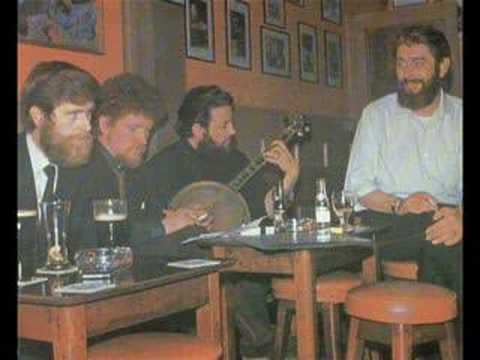
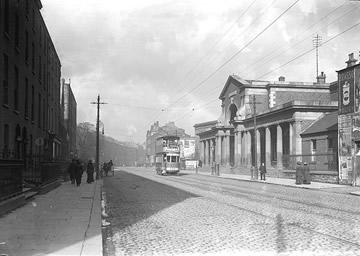
Lets go down to Monto - Dublin c 1900 what would you see
-
17-07-2010 02:20PM#1
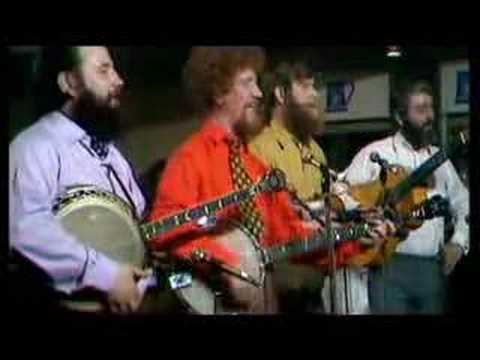 https://www.youtube.com/watch?v=Wny_0pi4hR4
Comments
-
-
-
-
-
-
Advertisement
-
-
-
-
-
-
Advertisement
-
-
-
-
-
-
-
-
-
-
-
Advertisement
-
-
-
-
-
-
-
-
-
-
Advertisement


 https://www.youtube.com/watch?v=-WFBC-PEnTI
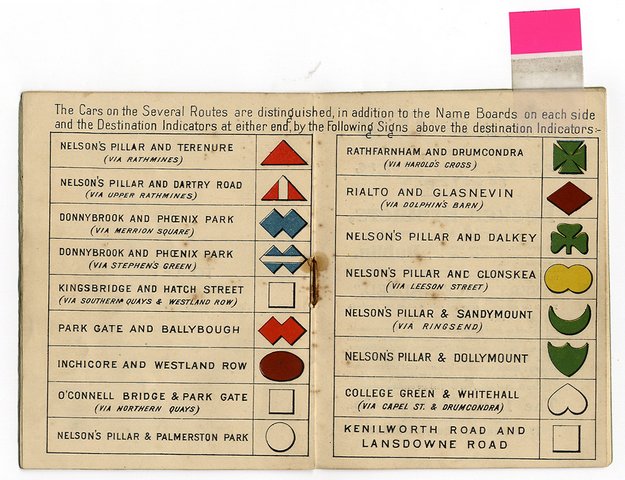
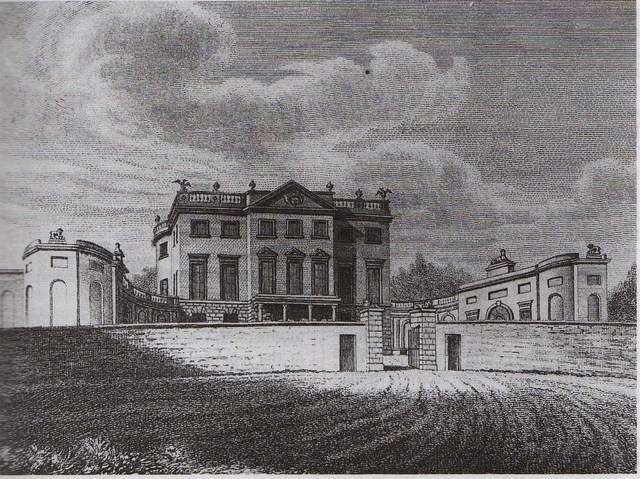
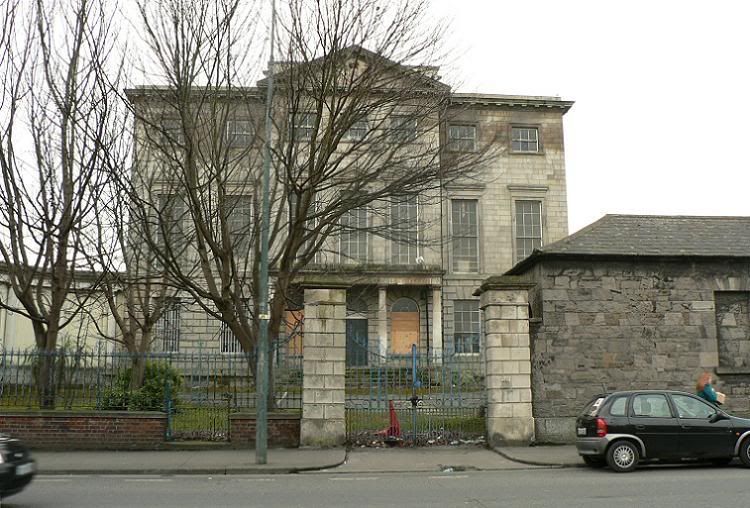
 Massage parlours? Escort agencies? The sex industry is nothing new in Dublin – once upon a time, in one small part of the city, there were over 1,500 “poor, unfortunate girls” servicing clients (including King Edward and James Joyce) and being terrorised by madams. Until, that is, the Legion Of Mary came along. Billy Scanlan investigates the history of the battle for the soul of the city’s once infamous red-light district
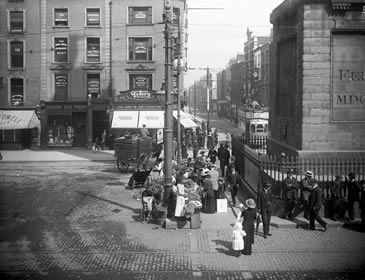
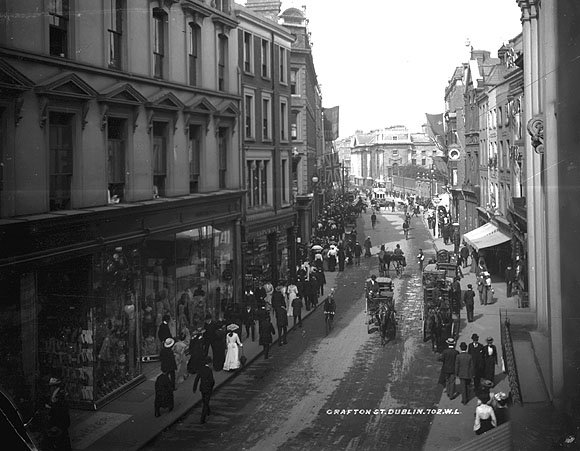


 Brogan's Bar is located at the centre of Dublin's main cultural and historical area on Dame Street. There has been a pub on these premises since 1747 making Brogan's one of the oldest pubs in the city. Past guests here have included Daniel O'Connell, Michael Collins and the Invincibles. On display at Brogans are Guinness memorabilia and classic advertisements from days gone by.
 The Palace Bar was established in 1843 and is therefore one of the oldest pubs in Dublin still in business today. For a long time it was the favourite haunt of the staff of The Irish Times, under leadership of editor-in-chief Smylie. Aside from appealing to journalist, The palce Bar was also very poular with Irish writers and poets living in Dublin in the early 1900's. the presence of people like W.B. Yeats, Patrick Kavanagh and Flann O'Brien is still clearly felt today. The many photographs and drawings in the bar immortalise an illustrious past.
 Interior of a Dublin Magdalen laundry in the 1890s. (British Library)Thousands of women working as prostitutes roamed the streets of the towns and cities of Ireland in the nineteenth and early twentieth centuries. While there was a common belief that prostitution was an inevitable feature of life, especially where military garrisons existed, as long as prostitutes remained out of the public eye they were tolerated. It was most often their visibility that caused anxiety in the wider public. Prostitutes were believed to be the main source of venereal disease infection, and prostitution itself was believed to be contagious. In 1809 the women prisoners confined for debt in the Four Courts Marshalsea in Dublin, fearing moral and physical contagion, complained about having to mix with ‘women of the town (some from the very flags [streets])’.
 ‘White Slavery in Dublin’, The Irish Worker, 25 May 1912.Motivation
 ‘White Slavery in Dublin’, The Irish Worker, 25 May 1912.Women who worked as prostitutes left themselves open to violence and abuse. Mary Flanagan, for instance, an ‘exceedingly juvenile cyprian’, appeared before the court in Ennis in October 1845. She alleged that a client, Francis Kelly, had enticed her into a field and raped her at knifepoint over a period of three hours. Kelly was later acquitted when Flanagan refused to identify him. In Limerick, Mary Carmody, who admitted she had been a prostitute for four years, accused a young man of raping her. Her assailant, who said she was ‘a prostitute and she was bound to go with him’, told police she had taken a shilling and then told him to go to hell. Despite his claim he was convicted, as was a soldier whose excuse for raping a prostitute was that he had no money. Three men had attempted to drown a prostitute by throwing her off Pope’s Quay in Cork in 1839. A number of these women attempted suicide. Kathleen Dolan did so by jumping into the river in Galway, stating that she ‘would not put up with all the warrants and imprisonments’. A small number appear to have been committed to lunatic asylums. ‘K.D.’ was confined to Ballinasloe Asylum with ‘dementia’, having been imprisoned for attempting suicide. Ellen Byrne, a 26-year-old prostitute from Dublin, committed infanticide after being refused entry to the workhouse. Found guilty but insane, she was sent in 1893 to Dundrum Mental Hospital, where she died within the year.



 https://www.youtube.com/watch?v=em8UDZr6Fpc




Advertisement