L1011 wrote: » It's in living memory, it was unexpected (to people outside specific security communities), much of it happened live on TV, it happened in a much more connected age and to much more connected people, and it hit somewhere that anyone who's experienced much American culture feels like they know. Rwanda was "away" and while it was on our TVs every night, it was as packaged reports. WWII had nights with more deaths, but it happened during a war, and reportage would have been written with eventually maybe some newsreels or radio coverage. By the time people knew the extent it was old news. Time will reduce its perceived impact, as would something worse happening in a similar environment.
BalcombeSt4 wrote: » The 1996 Manchester bombing was on live TV, in living memory. More examples: The Docklands bomb was caught on CCTV The Miltown cemetery attack was caught on pre-recorded TV along with the Corporal killings a few days later. The 1991 mortar attack on Downing Street was caught on pre-recorded TV as well, Some Bloody Friday car-bombs were caught on TV Some of Bloody Sunday was captured on TV And the worst Irish massacres Omagh & Dublin 1974 were caught on TV about 10 minutes afterwards. All in living memory, all over shadowed by 9/11
Snotty wrote: » So in your opinion which of your listed tragedies is of similar impact and should not be over shadowed by 9/11?
Dr. Bre wrote: » It’s cos most of it happened on tv. We will probably never see a day like it again . Wars genocide etc.. are bigger tragedies but you don’t see them live on tv thankfully
JPup wrote: » Not trying to sound condescending here, but are you old enough to remember it? At the time it was an earth shattering event. I'm not old enough to remember the JFK assassination, but older people say that's the only thing comparable. It wasn't the number of people who died as such. Like you say, more people have died before and since of all kinds of natural and man made disasters. For me, with 9/11, the shocking thing was seeing the twin towers which were icons not just of New York but America, the great world power, come crashing down. It was like something out of a blockbuster movie, something you would never expect to happen in real life.
nicholasIII wrote: » Not trying to be disrespectful. Any tragedy where people lose their lives is bad however I do wonder. 9/11 involved 3,000 people losing their lives. I think way more have been lost during WWII. In 1994 years before the Rwandan genocide, almost 1,000,000 died within three months in a slaughter. There are many tragedies which have taken countless more lives yet if you mention anything today, the 'freshest' tragedy is 9/11. Does it have to do not so much with the death toll but method of attacK? The September 11th attacks were the ultimate deception, using seemingly innocuous commercial transport as weapons of terror. This was unprecedented compared to the other methods of attacks.
BalcombeSt4 wrote: » None, that was my point. Although had they happen in America they would be a lot more significant. America is the new Rome, it's not being critical it just is what it is. For only three thousand two hundred people died in Northern Ireland out of about 1.6/7 million people. So the death equivalent for Northern Ireland for 9/11 would be about 500,000, and about 40,000 in England.
Rodin wrote: » It's ridiculous to compare 9/11 with almost 30 years of the troubles. People are obsessed with body counts.
McGaggs wrote: » 9/11 was much slower. We all watched it happen on TV. The towers stood, on fire, the fell, one after another on live TV. We had watched people falling from the towers, until the towers themselves fell. We saw live footage of people running away from the cloud of debris.
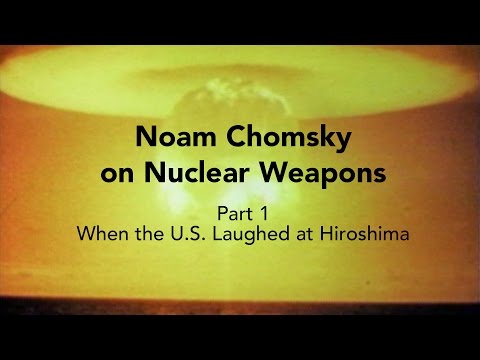
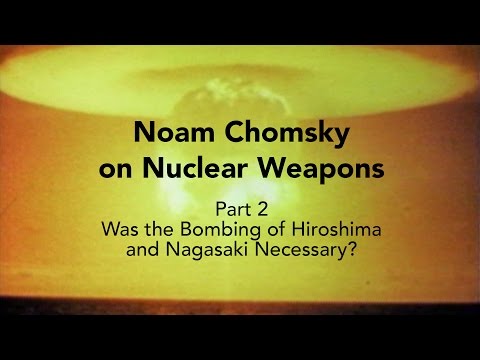
BalcombeSt4 wrote: » "I recall the lack of reaction to it" - Chomsky on first Atomic bombing
Mackwiss wrote: » It's because it happened on US Soil and was broadcast live. The fact it was New York, countless times destroyed in movies and then happening in the real world. Keep in mind, before this event, the closest you'd have something like this happening in the US was Pearl Harbor and that was in the Pacific Islands, so before this the only similar event in US soil was the Civil War. This of course is, the US being attacked by a foreign entity in it's own soil in this scale of grandeur. Add to this that while the US was involved in loads of conflicts outside the US, military service is not mandatory therefore a big chunk of the population had never experienced first hand the horrors of a war. The plot itself was extremely intelligent, taking years in the making with the perpetrators living in the US for years on end learning to use civilian planes as weapons, the perpetrators where next door neighbors which in the aftermath leads to people becoming distrustful of your own neighbor. So it wasn't someone coming on that day from far away, grabbing a plane and doing what they did. Was years living in the target country, plotting, learning, preparing, exercising until finally executing the plan. I would risk say if there was for example an attack during the Cuban missile crisis it would not have been as engraved in memory as this event was. Just like Pearl Harbor, it was an attack that was unexpected by the civilian population and all of that heightens what happened. This doesn't mean any of the conflicts mentioned by other users where of less importance, they where obviously of more importance, but for the western civilian population and to Americans in general was an unexpected shock similar to an end of the world scenario, again, so many times repeated in Hollywood movies...
magicbastarder wrote: » probably a similar number of people died on the first night the american air force firebombed tokyo successfully (IIRC estimates run to ~100k), but people are barely aware of that, which is another example of people remembering the novel and not the well-worn story.
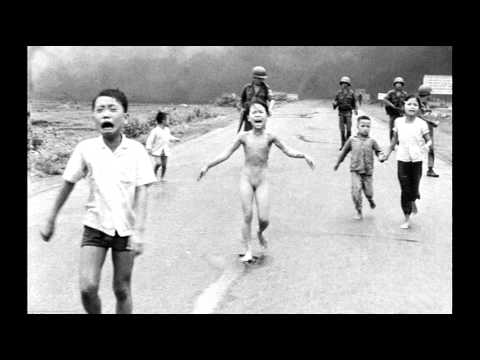
BalcombeSt4 wrote: » We seen the Tet Offensive & a good bit of the Vietnam War of Independence on TV https://www.youtube.com/watch?v=st9p24mUKrY





![Photo of [Deleted User]](https://wa.vanillicon.com/v2/a605da6df673e065ac5a7e976411f425.svg)


