Bigus wrote: » The ADL bus that the NTA ordered is very under ambitious, féckin battery is smaller than a Nissan Leaf ! From the bus makers website. [The Enviro400ER is a double deck diesel-electric hybrid, capable of at least 2.5 kilometres continuous electric range with no exhaust emissions. It utilises the BAE Systems Series-ER hybrid system with a 32kWh next-generation lithium-ion battery energy storage system that can be charged externally via a plug-in connection, meeting the requirements of the European Union’s Clean Vehicles Directive.] The Hyundai DD has 384 kWh battery ! However don’t know the price of these things , so I’d say this is the major factor when ordering 500 .
Deleted User wrote: » Wait, 2.5km,what the good is that supposed to be.
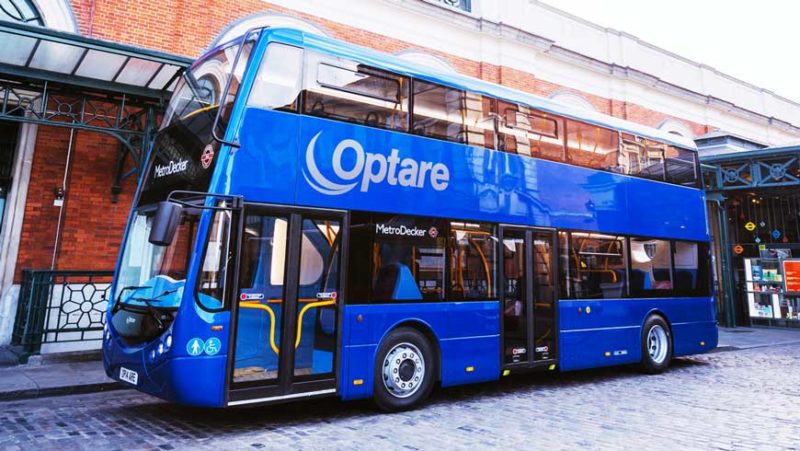
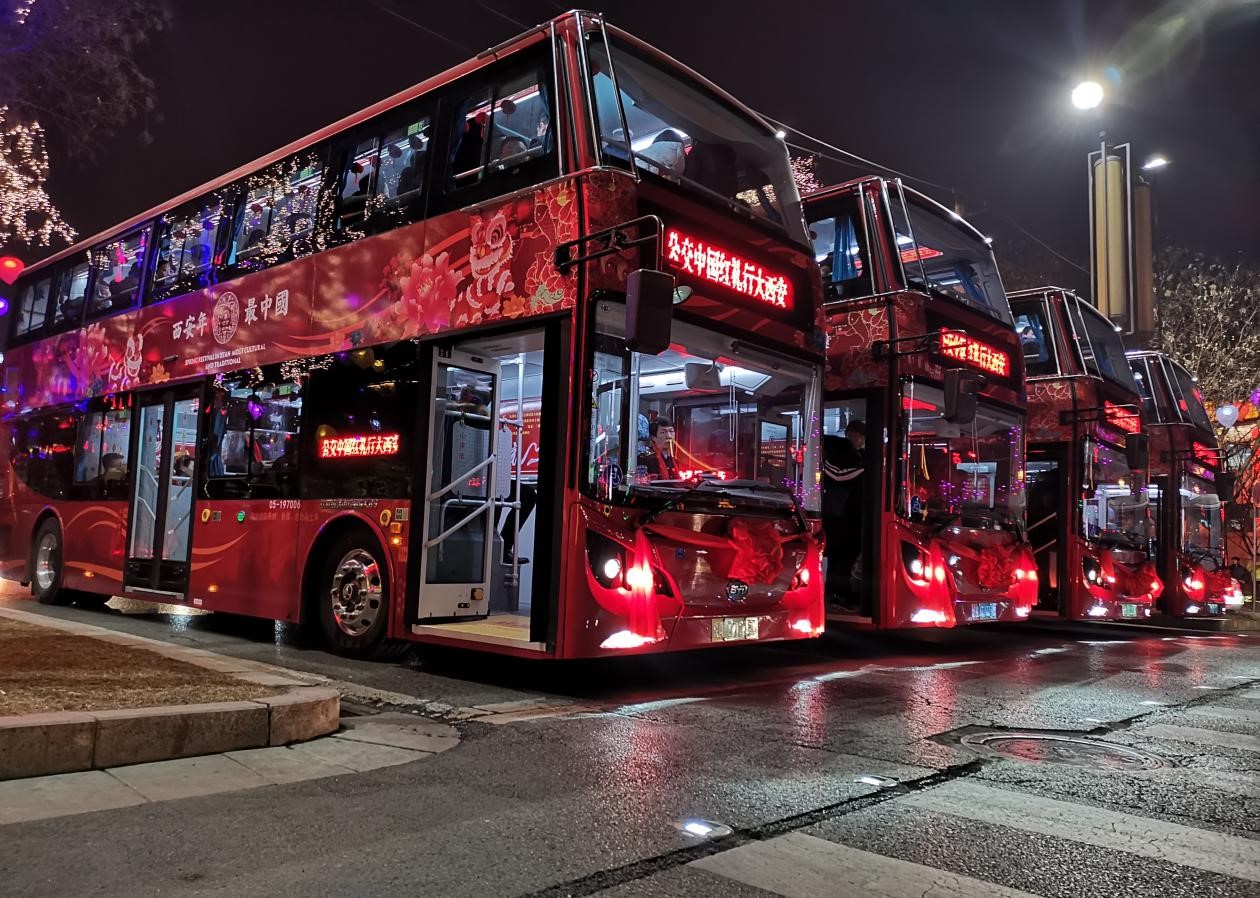
celtic_oz wrote: » Bk you are not the only person in this thread. There are a few that have said there NO double decker electric buses. I have posted pictures to illustrate why this is false. The hyundai is a double decker in its strictest definition albeit with 70 seats "The bus has just 11 seats on the lower level (compared to 59 up top), to accommodate two fixed-in-space wheelchairs and maximise accessibility for disabled and mobility impaired passengers." Link The BYD made double decker buses are in use in China and London since 2015, irrespective of how conservative we are. link When europe starts doling out the fines for the breaking our CO2 agreement it could make these buses look very cheap.
donvito99 wrote: » So you're saying we could use an electric BYD double decker to meet our country's peak electricity demand?
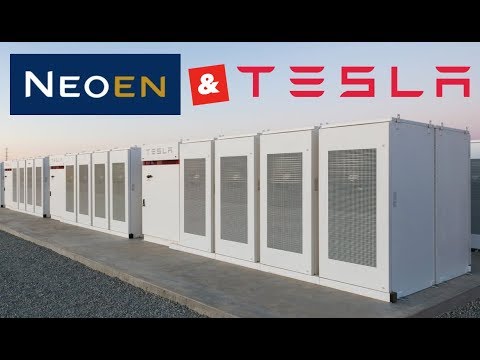
celtic_oz wrote: » https://www.independent.ie/business/irish/esb-lodges-plans-for-75mw-dublin-peaker-plant-39174692.html just like Dublin bus buy diesel buses and when embarrassed in the media submit to a few hybrids when clearly electric bus's are the future Do you think the ESB even costed a grid scale storage battery ?https://youtu.be/O-kbzfWzvSI?t=889
bk wrote: » Couple of reasons. First of all, they lack experience building DD's, AFAIR all Chinese buses are single deckers. Very few countries use DD's, mostly just UK, Ireland, some in Berlin, Singapore and Hong Kong. So it is relatively a very small market for them. Then there is the whole Left Hand Drive difference to make it an even smaller market. But also, it would be hard for them to break into the market here. Transport Authorities in the UK and Ireland would have decades of relationships with Wrights and ADL. These companies basically build the buses precisely to their spec. Going with an unproven Chinese company would be risky for transport authorities. They aren't looking to save money on buying a bus, they look for quality and reliability and are typically willing to pay extra for that. Some smaller Coach companies here bought some Chinese coaches, turned out to be total junk, got dumped after just 3 years. So given all that, it was smart for BYD to partner with ADL. It mixes both companies strengths. BYD's expertise is in their battery tech and electric motors, while ADL have lots of experience with building buses to UK specs. And they can leverage ADL's relationship with transport authorities. BTW this sort of relationship isn't unusual at all, quiet common in bus manufacturing. For instance earlier I mentioned that the current Dublin Buses are made by Wrightbus. That is only partly true. For the past 5 years or so the NTA contract has actually been with Volvo. Volvo build the bus chassis, drive train and engine in Sweden and then they shipped those to Wrights in Northern Ireland who they then subcontracted to build the body of the bus around the Volvo chassis. Which might raise the question, why don't Volvo build LHD DD buses themselves? I bet this is WAY more then you ever wanted to know about this market
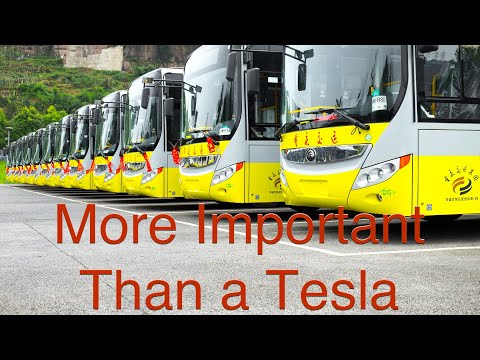
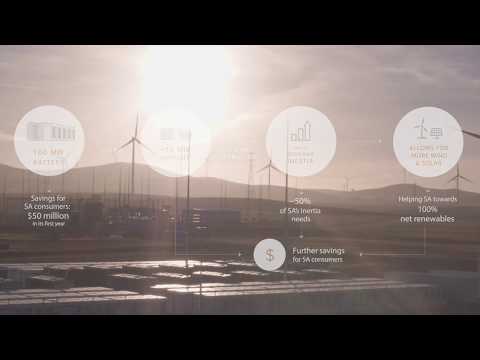
celtic_oz wrote: » what on earth are you talking about? The premise of this thread is that the peaker plant should probably be grid scale battery which although more costly up front would allow us to fully leverage CO2 free renewables. See the south Australian battery installed in 2018, which is now being expanded. link https://www.youtube.com/watch?v=gemTSR0xmwA Natural gas peaker plants risk being stranded assets Link, An analogy was drawn to electric buses which are well proven in China ( albeit with single deckers ), changing the fleet to hybrids risks them being stranded assets also, which will only have to be changed again. https://www.youtube.com/watch?v=94Kf1Yuq_94 Critics say its too risky .. but Ireland faces multibillion EU fines over emissions target failure Link
tom1ie wrote: » Ah no it’s interesting. I wonder why double deckers are mostly confined to the uk and Ireland. If they are more efficient at moving people around per unit of currency spent, why doesn’t every country use them? Or are they not more cost effective?
celtic_oz wrote: » The hyundai is a double decker in its strictest definition albeit with 70 seats [/URL] My point is that the Hyundai is a Double Decker Coach, it is not a city bus, which is what I thought we were talking about. Dublin Bus don't use coaches, they use city buses. Dublin Coach use double decker coach between Limerick and Dublin, this is what this Hyundai is designed for, not for city use. Dublin Bus could never use this Hyundai, wrong type of vehicle. Though they could potentially use either the ADL-BYD DD or the Optare DD if they eventually overcome their issues. I really hope they do and I believe they will. I'm a big fan of them. But I also understand that they just aren't quiet ready yet.
gjim wrote: » Double deckers have some serious drawbacks as components of a reliable public transport system. They sort-of made sense when you had a separate inspector issuing/checking tickets - but in my opinion the design should have been abandoned when they went to driver-only. The only reason they are still in use is tradition and the legacy bus on-street "infrastructure". All modern/designed bus systems use (articulated) single deckers. The issue is that loading and unloading passengers is much slower than on a "bendy" style bus where the door to passenger ratio is twice that of a double-decker. This simple simulation https://setosa.io/bus/ shows how critical it is to have short and predictable dwell-times to provide a regular bus schedule. By their nature double deckers tend to clump. Waiting for people to get on and off buses is a huge waste of resources. Take a typical DB route - say 50minutes scheduled end-to-end and 30 stops. If you could even reduce the dwell time at each stop by 15 seconds, the capacity of the route would increase by nearly 20%. I'll be glad to see any of Bus Connects delivered at this stage but I would have liked to have seen more ambition with a strategy to wean Dublin away from double deckers.
tom1ie wrote: » how does capital cost stack up dd vs articulated single decker? or even single decker vs articulated single decker vs dd?
celtic_oz wrote: » A short six months later and its interesting to read all the nonsense regarding how battery double decker buses couldn't be donehttps://www.electrive.com/2020/12/22/ireland-launches-huge-tender-for-electric-double-deckers/https://www.irishtimes.com/news/ireland/irish-news/tender-for-up-to-800-all-electric-double-decker-buses-published-1.4442911
donvito99 wrote: » An electric bus will not move through traffic any quicker, or transport more people, than a diesel bus.
AndyBoBandy wrote: » But when their both stuck in traffic (and driving), the diesel bus will be pumping out noxious fumes into its surroundings....
Water John wrote: » 'An electric bus will not move through traffic any quicker, or transport more people, than a diesel bus' Don Wow, remarkable info, thanks for sharing.
donvito99 wrote: » An electric bus will not move through traffic any quicker, or transport more people, than a diesel bus. The obsession with making an almighty change before electric vehicle technology is common place in Ireland is silly.
donvito99 wrote: » The NTA should continue to put money into an improved service and not support the share prices of Chinese manufacturers.
Deleted User wrote: » So.... Don't invest in the technology until its more commonplace but it doesn't become commonplace unless it's invested in.
What's wrong with Chinese manufacturers?
donvito99 wrote: » Let some other jurisdiction fail before we commit hundreds of millions towards the improved version.
Why not support a European manufacturer, like VanHool or VDL? You know, companies in countries that we'd like to see do well.



![Photo of [Deleted User]](https://w6.vanillicon.com/v2/62877c35768f143f69acd7bb6cd43f3c.svg)