Advertisement
If you have a new account but are having problems posting or verifying your account, please email us on hello@boards.ie for help. Thanks :)
Hello all! Please ensure that you are posting a new thread or question in the appropriate forum. The Feedback forum is overwhelmed with questions that are having to be moved elsewhere. If you need help to verify your account contact hello@boards.ie
Fitness; The Basics (Incl Diet & Nutrition)
Options
-
18-01-2006 1:24pm#1*** Edit by B-Builder 08th July 2010 ***
I have cleaned up the Fitness basics Thread and removed all the conversations and off topic posts.
I have closed this thread to stop it becoming a general conversation thread again.
If anybody has any points they would like to include in this thread or would like to update any of their previous posts, then drop either myself or any of the Fitness Forum mods a PM with the information and if it has not been already covered we will add it or you could post a thread in the main forum and we will move it to this thread.
*** End of Edit ****
This thread lists the basics that everyone needs to do to stay in shape forever.
There are lots of posts that could be easily answered with the information in this thread.
NO QUESTIONS TO BE POSTED HERE PLEASE - START A NEW THREAD.
My top 7
1. Eat whole non-processed foods - no junk food, white bread, dried pasta, cereals (except poridge and meusli), bagels, cakes, choc (only 70% coca), biscuits
2. Exercise a minimum of 4 hours every week - anything less then please just forget about special training programs, 'toning' exercises or 'tummy' exercises. Put the 4 hours in for good results. Excellent results requires more
3. Eat about every 3-4 hours - every 2-3 if you are wishing to gain weight. Prevents you from eating lots in one sitting
4. Eat fat's every day - only the good ones e.g. fish, nuts and seeds, cod liver oil, udo's oil, avocadoes, extra virgin olive oil. You need it for fat metabolism, hormone production, skin, hair, nails, concentration etc This is the most common mistake especially for women i.e. they are fat phobic
5. Lift weights 2-3 days per week - all the aerobic sessions in the world will not change your shape. Yes aerobic work will make you thinner and slimmer, it will NOT increase your muscle tone and you will still look flat!
6. Stretch - most over looked as many consider it a waste of time. Increase your flexibility will allow you to stay injury free and less tense. Most common cause of back, shoulder, shin and knee pain is tight hips and calves
7. Believe - You become what you think about most so fill your mind with how you want it to be a write your goals down then place them somewhere you can see them regularly. I did this over 4 years ago and still do it - 90% of what i wrote down i now do - great girlfriend with similar interests, my own business, yoga teacher, closer to my family, help others every day, maintain a great physique year round without any major injuries.
Best of luck to all and remember NO QUESTIONS OR DEBATES HERE JUST OTHER SUGGESTIONS AND COMMENTS96
Comments
-
Good call, this is badly needed.
Doing weights will not bulk women up. Women just don't have the testosterone level needed to pack on that much muscle. The majority, if not all, female bodybuilders, take hormones to increase their size- it's NOT natural. Weights will however, tone you, increase your metabolism therefore helping you burn more fat even when sedentary, improve your posture, slow the aging process, reduce the risk of osteoperosis, make you stronger less prone to injury.
Snacking is good if it's the right kind of snack. A mid-morning snack and mid-afternoon snack easily help you achieve the 5-6 meal a day goal. ome fruit, a small handful of nuts, a fruit yoghurt, some cottage cheese and veggie sticks are all easy to eat and good for you. Cereal bars, low-fat crisps, salted/ roasted nuts are NOT good.
Even 'low-fat' foods can be bad. Most of those ready meals, soups, anything in a packet are loaded with sugar to taste and salt to counteract the sugar. Sugar is naturally low in fat but high in carbs, too much of it will make you put on weight.
Faddy diets don't work. Most people put back on the weight they lost and more within weeks or even days of coming off it. A healthy, sustainable eating plan that's easy to do is the best way to ensure a lifetime of healthy eating.
Starving yourself doesn't work. While you may lose a few pounds over the course of a couple of days, it'll be water weight lost and will be replenished very quickly. Your body is a machine that needs constant fuel supplies to function well. If it is not supplied with food, it will stockpile what little fuel it is given and stored as fat to prepare for further starvation.
Enjoy what you eat and how you train. If you don't, you won't stick to it.
Treat yourself from time to time. A little bit of a bad thing is ok. If it's chocolate try to eat 70% cocoa dark chocolate. If it's pizza, eat only a few slices of thin-based. Consider it a reward (if the hard work has been put in previously!!)
To lose weight, burn more calories than you consume. Simple as.0 -
Change your weights program regularly - You need to change your program every 4 to 6 weeks. If you keep doing the same exercises, your body will get used to it, and you will stop making gains. Change exercise types - do a different variation of an exercise, e.g. change from hammer curl to concentration curl, forward lunges to reverse lunges etc. Change exercise program (try super-sets, tri-sets and drop sets. If you have a spotter, try assisted reps and negative reps). Keep your body guessing!0
-
Supplements won't work unless the rest of your diet is up to form - you can buy and take whatever you want. But supplements are just that. If the basis of your diet is not up to scratch you will not get very far.
40,40,20 - for the majority of people, this is the ideal diet. Your calorific intake each day should be made up of 40% Proteins, 40% Carbs and 20% Healthy Fats. This is a perfect formula for the physically active, as it gives you exactly what you need to support weight training and muscle gains.
Cardio Vs Mass - next time you go to say "I don't do cardio because it sacrifices mass" take a good honest look at yourself in the mirror. If your 250lbs at 5% bodyfat and two weeks away from stepping on stage at a Pro bodybuilding show i will almost agree with you. But your not. So shut up and get on the treadmill.
Be honest with yourself - if you want to lie to yourself then fine, but you won't get very far. You can tell youself you eat right and train intensely and that you went WAY BELOW parallel on those last set of squats but the truth will out. For example, right now I'm a little fat, and there is no denying it. In 16 weeks i won't be. If i lied to myself and said i am not fat, in 16 weeks i still would be. Plain and simple. Honesty will help you find both your strengths and your weeknesses. I am fat. This is the truth. I am genetically blessed for adding mass with ease and speedy recovery. I also train more intensely than 99% of people. This is also true. See, it's easy.
Leave the Ego at the Door - If you try and lift too much you will use **** form and hurt yourself. Sure, you will be able to tell your friends you but your back out with a big deadligt, but i bet you won't tell them you had to use **** form.0 -
Keep Diaries - You can do this on 2 levels:
1. Keep a training diary. Either buy a small notebook, or use a spreadsheet. I use a very simple set of spreadsheets, with exercises listed down the side, and dates across the top. For every set of exercises you do, use the following notation on the spreadsheet:
Weight (Reps, Difficulty).
Weight: Obvious enough - the weight (in lb or kg) of what you are lifting.
Reps: the number of times you can lift/push/pull that weight.
Difficulty: A scale of 1 to 10 -
..... 5-You could do ALOT of them if you wanted.
..... 9-You could probably have done another 2 or 3.
..... 10-You were maxed out and couldn't do any more (or failed before your target)
With this information available to you from session to session, you'll know when to increase weight, or when to increase reps. You are guaranteed to improve from session to session.
2. Keep a food diary. If you're serious about body building (or dieting!), try keeping a food diary. Every time you eat something during the day, write it down (the time you ate, and what you ate). If you are bodybuilding, you can see if you are consuming enough calories. If dieting, you can see if you are consuming too much calories! Also try to keep track of the amount of water you drink (at least 2 litres, ideally 3 litres).0 -
Stop making excuses - if where you work doesn't have any place with decent healthy food, prepare it yourself!!
Half an hour spent every night preparing a meal or two for the next day can be the difference between breaking the cycle of poor nutrition or still grabbing a bottle of coke and a roll on your break because you don't have the time
Bring an extra meal with you - you never know when you might be held up in work/college/traffic etc, bring something healthy with you, like a brown bread sandwich with turkey and cheese to munch on instead of being "forced" to buy a chocolate bar and a bag of crisps.0 -
Advertisement
-
Put the friggin weights back on the racks! It takes two minuts and makes everyone elses life easier. Please please put the weights back where they are supposed to go.0
-
Take photos of yourself
Good to really see results, you may not realise how much weight you have lost/muscle you have put on. It is like seeing a little kid growing up everyday, you don't really notice the change since it is so gradual. It is good to look back at old pics and SEE the change rather than looking at a number on a scale or inch tape. As mentioned muscle weighs more so you may have changed a lot in appearance but not in weight. Also an incentive not to go back to old ways.
When full, stop eating. When pissed, stop drinking!
Avoid chippers after the pub. If you must go home and gorge on healthy food, everything tastes great drunk, how do you think abrakebabra are still in business.
Read and understand nutritional info on packets.
5% fat may sound low until you realise you drink it in 600g portions. "Low fat" muffins can be 90% sugar. "low sugar foods" can be high in fat. Do not believe packet "portion sizes" they are usually far smaller than the average person would eat, misleading you to think there are very few calories. Take into account the water content of foods, is it low calorie because it is watered down?0 -
Basics of calorific surplus
People often perceive that they "eat so much" and yet never gain a pound. The truth is weight gain or weight loss comes down to maths for the vast majority of the world. Sure, things from rare genetic states to tapeworm might restrict some's ability to gain weight - but if you are in these categories you should be seeking professional help and not consulting a web forum for advice. I have never met someone who could not gain weight - only people who did not realise their mistakes.
As with many things in training, a log book or diary filters the random error which individual perception allows. Get one, and keep a plan of what you are eating. The links below are reasonable for calorie and nutritional data - search for others if they fail to meet your needs.
Food Calorie Value Search
Nutrition Data
The objective is to take in more calories than you use up. Now the obvious question is "how much do I use up?". Well we don't even really need to know that exactly.
1. Get your bodyweight
Obviously be sure to weigh yourself at roughly the same time of day in the same clothes. If you are trying to monitor change you can't do that from a moving baseline.
2. Diet Ratio
Ratio of carbs to protein to fats can be debated a great deal. Some diets even base their entire philosophy around them. However, a good balance for the purpose of weight gain would be
25% protein, 60% carbs, 15% fats
That said, if a particular mix is not working for you after a few weeks, or you feel better with a certain nutritional source/mix then adjust as necessary. Without someone dedicated to monitoring your diet you will simply have to employ a bit of trial and error to find what works. Once you have something, try to design a daily/weekly diet around this.
3. Calories
Now as mentioned the goal here is to take in more calories than we use up. Preferably not by developing sedentary habits and living in your kitchen. Clearly a cardio focus to your training will make it more challenging to achieve a calorific surplus - but weight gain can be achieved whilst maintaining a healthy active training regime. I always found a weight training focus to be beneficial in these phases. Once again you simply need to exceed your output.
The simple approach now is to employ some trial and error to your diet plan in 3 week blocks.
I.e. Try eating 25kcals per lb of bw per day with 2grams of protein per pound of bodyweight. So if you weigh 200lbs - try to get a daily diet of 5000kcal with 400g of protein - always bearing in mind the protein value of your food mix.
If after 3 weeks you have not gained weight or sufficient weight for your schedule:
Try eating 30kcals per lb of bw per day with the same level of protein.
And so on in increments till you find your level. Above all keep things as simple as needed, complex advice from others is often less useful due to the long term practicalities of sticking with it. The key is finding something appropriate which you can maintain.0 -
Info
Nutritional Myths and Truths
Below taken from post by Mivi320 on Bodybuilding.com. Questions are generally taken from a bodybuilding training context, however, many regular and irregular trainers often adopt and read such techniques so here is a take on some myths.
Fruit Avoidance
Questions regarding whether or not fruit is acceptable in a bodybuilding nutrition regimen are the most common here in the nutrition forum. It's just a myth that fruit will make one gain unwanted pounds of fat because of the high amounts of sugar it contains. What makes one gain weight is excess calories, not fruit. Simple. What many people don't know is that all fruits are calorically sparse and rich in nutrients, vitamins, and fiber. Most fruits only contain 4-7g of fructose per serving. The fructose in fruits keeps the liver in a "fed state" which conclusively keeps the individual in an anti-catabolic state. Unlike other food sources, fruits are rich in antioxidants and other phytonutrients that go a long way in aiding in recovery from brutal, grueling, intense workouts. It would take a HUGE QUANTITY of fruit to experience any negatives associated with fructose. Bottom line: eat your fruit!
Carbohydrates At Night
If I had a dollar for everytime a member of the message boards asks "Will eating carbs at night make me fat?", I'd be a rich man. The truth is, eating carbohydrates at night is perfectly fine, but you must analyze a few factors first. Calories are what determines whether one gains or loses weight. If one exceeds their caloric matience level, more than likely, the individual will gain weight. If one creates an energy deficit, preferably through cardiovascular activity/restriction of calories/weight training sessions, the individual will more than likely lose weight. Simple as that! It all depends on one's overall calorie total that determines body composition, not the time carbohydrates were eaten. Carbohydrates have many anti-catabolic properties and should not be eliminated at any time of day. They can be very beneficial at night, bulking or cutting, by pulling out all the theoretical stops related to anticatabolism. In conclusion, carbohydrates should not be restricted at night in attempt of preventing one's body of storing them as adipose tissue because the true factor that determines weight gain is a calorie surplus.
Food Separation Techniques
Ah, the infamous food separation techniques of sticking solely to protein+fat and protein+carbohydrate meals. How foolish is that? Separating out carbs from fat fails to to prevent unwanted fat gain, although it would be pretty swell if it did. If this was true, one could ingest as much fat as one wanted on a ketogenic diet and not add an ounce of adipose tissue. And guess what? That doesn't work either. Conclusively, the potent combo of protein+carbs is much more anabolic than protein+fat alone. Again, it all comes down to calories in vs. calories out that determines whether one gains or loses weight. The optimal choice is to eat balanced meals consisting of protein, carbohydrate, and fat, as food separation methods truly fail in offering prevention of fat storage and are virtually silly to abide by.
Milk Avoidance
Milk and bodybuilding go hand and hand, right? Well there's a ton of myths out there that claim milk makes individuals add and store fat. Before I go into detail, I just want to say that whether or not you consume milk is your own personal preference and you should continue avoiding milk if you're lactose intolerant, bloat due to milk consumption, or have some other milk allergy. But if you're a bodybuilder that has none of these characteristics and you avoid milk due to the myths and speculation, listen up! The truth is, milk is great for bodybuilding purposes. Milk contains cogent anti-catabolic properties, insulinogenic properties that are ideal for the post workout period, a quality amino acid profile, and a wide array of vitamins and minerals. It's also a cheap protein source, and even makes your protein shakes taste 10 times better. Milk is so anti-catabolic/anabolic that it has outperformed whey protein in human research thus far! In conclusion, it all comes down to your personal preferences. If you bloat when drinking milk or have a milk allergy, then by all means, avoid it. But if you're simply avoiding this anti-catabolic substance because of the misinformed media and foolish speculation, then you make want to think twice about milk.
Whole Egg Avoidance
Another myth: refraining from ingesting the yolk portion of the egg. Many bodybuilders opt for the egg white and ditch the egg yolk for whatever reason. The truth is the egg yolks are the most nutrient-dense portion
of the egg. All of the egg's Vitamins A, D and E are in the yolk. Egg yolks happen to be just one of the few foods that naturally contains Vitamin D. The yolk portion also has more manganese, phosphorus, iodine, copper, calcium, zinc, and iron than the egg white itself. Egg yolks should not be avoided because of the high amounts of cholesterol either as high cholesterol levels are correlated with diets high in Trans Fat and Saturated Fat, and genetics play a big role in cholesterol levels. Egg yolks are also anti-catabolic because of the Arachidonic Acid found in them. Overall, there really isn't a reason to avoid whole eggs.
The Glycemic Index
Many bodybuilders follow the gylcemic index (GI) religously, and they shouldn't! Why so? Well, the GI is based on eating carbohydrates on an empty stomach without the addition of protein, lipids, fiber, water, etc. Therefore, it obviously has it's shortcomings and is not the be all end all choice for chosing our carbohydrate sources. Truth is, it's quite irrelevant when it comes to bodybuilding purposes. Let's take white potatoes for example. This food species is often avoided mainly because of it's high GI rank. Foolish. White potatoes are a very nutritious food and should be incorporated in a sound nutrition program. See, we're already spotting shortcomings challenging the elements and principles of the GI. But wait, there's more. The GI of that white potato can be drastically altered by combining it with the addition of protein, lipds, fiber, and other carbohydrates. In conclusion, the GI should not be followed religiously by bodybuilders and nutrient-density should be the main principle in one's nutrition plan, not the GI.
Nutrition Ratios
Many bodybuilders and nutritional fanatics stress over ratios of Protein/carbs/fat. It's not necessary. The fact of the matter is that ratios are completely irrelevant. Lean mass should influence your overall macronutrient reuquirements; note calories. 'Tis true. Ratios are nothing more than an unintentional characteristic of any individual's diet following whatever modifications have been made depending on a multitude of factors such as training, goals, activities, etc. Overall, ratios are actually unplanned and unintentional and should not be practiced.
Some Diet Options and Ideas
1) Tuna Casserole. Boil pasta, add tuna and mayonaise and mic thouroughly. This is really filling but has all the essentials. Feel free to add cold olive oil to it.
2) Chicken Korma- I have taken to buying like 10 packs of chicken fillets when they are on sale. Freeze them and cook one a week. Leave the 10 fillets in your fridge to work from during the week. You can get "Pakatani" (sp) from dunnes for around €2 a jar and it does a few lunches. Basically just boil the pasta and add chicken pieces. Use 3 fillets or so.
This can be changed to suit any pasta / chicken dish, tikka is beautiful with it, all the sauces are dirt cheap and usually one of them is under a buy one get one free offer.
3) Boiled eggs - Just boil them, cool them (under cold tap) and leave them in your fridge to work from as you need them. No matter how full you are there is allways time for an egg.
4) Tuna sambos - I mix up tuna and onion in a lunch box and leave it in the fridge for lunch. In the morning stick some wholegrain bread in the toaster and when popped just take a lump of tuna from the fridge and put it in your sambos. Bring a tomatoe in with you and slice it just before eating the sambo to avoid soggy bread syndrome.0 -
Where's your head at?
We all discuss a huge amount about lifting techniques, cardio, diet, rep ranges, workout structure and supplements. But we never talk about the mental aspect of an exercise routine. As such, I would like to put out a little thread and hope it gets added to about people thoughts on the mental aspect of gym time and working out. Please feel free to add to my ramblings, lets face it, we all need to think about this just a little bit sometimes.
Honesty : If your not honest without yourself, you can't suceed. I had this conversation with some peers down the pub on Friday night. Being a little overweight, would I be getting anyway if I was telling myself I wasn't? Nope, not at all. But due to being honest with myself, my current status, my current work ethic the results are now starting to come into play. Don't cheat yourself. Don't tell yourself your form was good when it wasn't , that you ran 3 kilometers when you only ran 2.7 , that you rarely cheat on your diet when you do so on a regular basis. It's not helping you, it's only holding you back and moving your goals a little bit each time. Respect yourself and be honest to yourself.
What do you think about? : When your in the gym, what do you think about. Are you sitting on a bike, wondering about work, or clothes or your next meal. Are you doing through the motions on curls without even feeling the muscles working?? If so, once again you are robbing yourself. Remember, your giving up the time to go to the gym, so well done. Make sure you are getting everything you can out of it while you are there. Do your best to immerse yourself in your workout and you will learn more about yourself and your body each time you are in the gym.
I'm not in the mood to workout : Why not? Are you tired? Did you have a bad day? Why do you need to look at going to the gym as being a bad thing? Get to know some people, have a laugh with the staff, enjoy yourself and you will grow to love it. Sure, we all have days where we think about going home. But these are the true tests, go anyway, have a good workout and you know you will feel better. Getting healthy and in shape can't just be done on days when your feeling happy!
Are you getting what you need? : Not physically, but mentally. As I said in the previous part, there is no need not to enjoy what you are doing, or no reason you cannot find a physical activity that you do like! There are tons of clubs and adventure groups out there! Every been rock climbing or hill walking? Ever gone caving or scuba diving! Fitness didn't start in an air conditioned gym and it sure as hell doesn't end there!!!
Be there for yourself : Having recently gone through a tough time of having to make a choice between my personnal goals and my relationship it has become clear to me that the only person you can do anything for is yourself. Sure, sometimes you may be aiming at the wrong thing and be a little misdirected, but with the right frame of mind you will find not only where you are, but where you truly want to be. The only person you can go to the gym for is you. You cannot try and be something for somebody else. Of course, sometimes they can make a suggestion that you have never thought of!
Depression : Sometimes even the best of us suffers from a bad day, your goals seem to be further away than they were when you started, and everything seems to be going wrong. You hurt your elbow doing dips, and your housemate keeps eating chocolate cake in front of you and the bitch never puts on a pound, it's taken you longer than you thought to get that 100 kilo bench press. These things happen. Setbacks occur. Never forget, your greatest strenght in the gym is also your greatest weakness. Your are human. As such you have the potential to do the most amazing things, but it will never be easy. Keep your head up, don't break and guess what. You'll be one step closer to that goal.0 -
Advertisement
-
Once you've realised that all-important basic equation..
Gain weight = eat more calories
Lose weight = eat less calories
(its amazing how something that simple still eludes people )
)
..the next step to properly manage your food intake is to figure out exactly what your daily calorific needs are. Once you know this, you know how much food your body *really* needs and can add/ subtract foods as required. Basically, in order to succeed, you need to take the guess work out of it and know that everything that goes into your mouth and into your belly needs to be there.
The information and equation shown here is taken from The Complete Guide to Sports Nutrition but isn't just applicable to atheletes, it shoes the calorie requirements for everyone.
1) So.. first off you need to figure out your resting metabolic rate (RMR) or the calories your body requires just to exist if you were lying down for 24 hours:
Age Men
10-18 (body weight (kg) * 17.5) + 651
19-30 (bw (kg) * 15.3) + 679
31-60 (bw (kg) * 11.6) + 879
Age Women
10-18 (bw (kg) * 12.2) + 746
19-30 (bw (kg) * 14.7) + 496
31-60 (bw (kg) * 8.7) + 829
e.g for me, a 72kg 26 yo female its (72*14.7) +496 = 1554
2) Then calculate your lifestyle daily energy needs:
Activity level
mostly seated or standing RMR * 1.4
regular walking or equivalent RMR * 1.7
generally physically active RMR * 2.0
again for me its 1554 * 1.4 = 2176
3) Then estimate your daily exercise expenditure by working out how much exercise you do a week and divide by seven for an average daily value:
Weekly I do 4 hours of weights = approx 1536 cals
2 hours low intensity cardio = 600 cals
2 hours high intensity cario = 1200 cals
Total = 3336 / 7 = 477 cals
So add that to my daily energy needs.. 2176 + 477 = 2653
My maintenance calorie needs every day are 2653 cals/ day.
For weight loss: I need to reduce my calories by about 15% a day:
2653 * 0.85 = 2255 cals/ day
For weight gain: Increase your calorie intake by 20%:
2653 * 1.2 = 3184
Of course most importantly, make sure you meet your calorie needs from nurittious healthy sources. If you need help with that.. well see here
Hope thats of help0 -
Ok, so one of the prevailing problems that crops up time after time on the forum is the question of eating right. Thing is, regardless of what your aim is - weight loss/ gain/ maintenance- we all require the same basic nutrients, minerals and dietary requirments. Putting it very simply, if you're looking to bulk, eat more, if you want to lose weight, eat less. But most importantly make sure you do not starve your body of what it needs and make all your calories come from healthy nutritional sources. There's a big difference between gaining 600 calories from a Big Mac and getting it from a balanced, nutritious meal. The general guidleines are that for weight training eat a 40% carb 40% protein 20% good fat diet, and for non- weight training athletes up the carbs to about 50-60%.
So.. just to help out anyone who's a little stuck or confused about how they should be eating, or even how to provide themselves with the food they need, I've put together a basic 'shopping list' of good foods that should help you get on the right track. Hopefully others will add to this with other ideas about what are good foods to include and post hints and tricks for eating clean day to day.
For the store cupboard- foods you should have on hand to make simple meals:
brown rice/ pasta
mixed dried herbs
dried spices
curry paste
garlic
tinned tomatoes (great for pasta sauces/ soups)
packets of unsalted, plain nuts for adding to salads- sunflower, sesame, almonds, cashews
extra virgin olive oil
flax oil (probably have to get this in a health food shop)
pulses- dry, bagged variety such as chickpeas, red kidney beans, lentils super easy to cook, high in protein and iron rich. Brilliant to add to salads, lentils are a fantastic base for soup. Try to buy dry instead of tinned/ pre-soaked which often have added salt.
Fresh foods to buy- preferably organic or from a farmers market, as fresh as possible:
fruit- all types, but include lots of 'easy to eat' fruit you can carry as a snack like apples, oranges, plums, peaches
a great tip I heard recently was to freeze raspberries or grapes and eat them as a snack in the evenings for those 'in front of the tv and wanna eat' moments
bananas are great post-workout but watch their high carb content
all berries and citrus fruits are high in antioxidants and brilliant to add to natural yoghurt/ skim milk for smoothies
vegetables- again, all types, especially broccoli, tomatoes, beans, mushrooms, carrots, cucumber, mangetout, onions, peas, spinach.
lots of leafy salad leaves- lettuce, cabbage, spinach, watercress, rocket.
sweetcorn and potatoes are great but high in carbs so consider this when adding them to a meal. Use new potatoes if possible, a lower starch content gives them a lower GI factor.
Supermarket items:
wholemeal pitta bread
wholemeal/ seeded bread/ bagels
Bulgar wheat/ cous cous
tinned tuna- buy steaks in tins as opposed to chunks
lean meat cuts, but particularly turkey/ chicken breasts and fillets
salmon steaks (expensive but so good for you- wrap in a loss tin-foil parcel with lemon juice, a little oil and pepper and bake for 20 mins- yum!!)
eggs
porridge oats
yoghurt- organic if possible, and live (bacteria-containing)
milk (personally its skimmed for me to get all the vits, minerals and protein, none of the cals)
cottage cheese
honey
peanut butter- you can buy it with nothing but 100% peanuts in it in health food shops, great for putting on corn cakes for snacks
rice/ corn cakes
baked beans- easy to eat snack, buy no-added sugar varieties.
Try to make sure every meal you eat has equal amounts of carbs and protein (or higher in protein if you're lifting). Use fats and oils sparingly, but include a small amount at every meal.There's no real need to have butter/ salt/ sugar added to any meal, use herbs and spices to taste meats, and nuts to give a kick to salads. While you may hear about athletes surviving on very minimalist and extremely restricted diets, this sort of eating will not sustain you for everyday living. The 5-a-day rule for fruits and vegetables is vitally important, they are the easiest and healthiest way to obtain many of the vitamins our bodies need in order to function, as are the minerals found in meats and pulses. Ensure you get pently of calcium and vitamin C -two of the most frequently neglected nutrients in Irish diets, but if you really feel the need to supplement (which you shouldn't if you eat properly) try a probiotic multi-vitamin like multibionta. There's also a great book called 'Food for Fitness' which is aimed at healthy eating for athletes, but has hundreds of recipes that are super-easy and quick to prepare and suitable for everyone's daily diet.
And of course there's the treats... For me, as a rule I don't keep any 'cheat foods' in the house. If its there, I'll eat it, simple as. This means that I have to actually plan to go out and buy cheat foods, so I'll make a conscious effort to treat myself with something that's not too sinful. It's often low-fat ice-cream or Green and Black's chocolate (I like to tell myself that all the flavenoids in the latter are really doing me lots of good ). For others its a burger, or sweets or a take-away. There's nothing wrong with a little bit of badness, but try to maintain an 80% clean attitude to food, that way you can eat treats virtually guilt-free!
When you make meals- if in doubt, just bung it all together, add a little seasoning and eat it!! That's how I've discovered most of my recipes (who knew that bulgar wheat, tuna, sweetcorn and spinach were so tasty together??!) As long as everything you put into it is good, there's nothing to lose. And above all else, enjoy what you eat. Cooking and eating shouldn't be a chore, and the more pleasure you get from eating the more it'll reinforce your healthy eating habits Have fun!! 0 -
Most popular myth on the fitness forum..
I need exercises to work my 'lower abs' and reduce my pot belly.
First, there is no such thing as 'lower abs.' The six-pack you're going for is actually one long muscle, called the rectus abdominis, that extends from below your chest to your pelvis. To work your abs, you should do exercises to target all four muscles: the rectus abdominis, internal and external obliques and the transverse abdominis.
Second, and more importantly, doing crunches will not help you get a 'six-pack' if you have a layer of fat over your abdominal area. In order the see the muscles, you must reduce your body fat. i.e. lesson of the day... take care of your diet before anything else.0 -
More Food Related Discussion;
The 'is a calorie just a calorie' question? Well, basically 'yes' in the strictest sense. In other words, if you have a calorie deficit you will lose weight, while a calorie surplus leads to weight gain. However, there are a few more variables that we can play with to optimise our body compositions other than merely our calorie intake (which g'em’s first post deals with very well, I got a pretty accurate calorie recommendation anyway). Why do we need to optimise – don’t we just create a calorie deficit/surplus and that’s it?
Well, if you look at the body, calories come in, waste comes out, and the difference is the net nutrients we take in from our diet. This can either be used for energy or stored, and here lies the crux of the problem.
If we have an excess of calories, in total we need to store more calories than we need to burn for energy, so our bodies are in an anabolic state (we need to be anabolic to make muscle, we also need to be anabolic to make fat – it’s all anabolism, and does not refer only to building muscle. It’s a state where the net metabolic effect is to create new tissues). We can store our nutrients in different ways; muscle, muscle glycogen & adipose fat being of most concern to us gym rats. Usually we want to maximise muscle gain, and minimise fat gain.
If we have a calorie deficit, in total we are burning more calories than we are taking in, so we can use dietary sourced nutrients for energy, or we can use up our stored energy, and here the same problem rises again – do we take fat, glycogen or muscle? This state is referred to as ‘catabolism’. Being in a catabolic state is therefore necessary to lose body fat, but we want to do it while losing as little muscle as possible. Therefore, we are looking to manipulate our energy storage partitioning at all times. Our main dietary concerns*, therefore, to affect this manipulation beyond a simple ‘calorie is a calorie’ approach will be;
1] Our macronutrient split (protein/carbs/fats/alcahol)
2] Our macronutrient timing
*You may wonder why I didn't include our daily calorie expenditure, as that seems like the most obvious parameter to play with apart from calorie intake - however I believe that the most successful manipulation of this parameter comes by manipulating our macronutrient variables [1] & [2] above, as well as just consciously increasing energy expenditure.
How can energy storage partitioning manipulation work? Well… it has too! Otherwise there would be no point bulking up, cutting up, doing much at all really – our overall compositions would never change and we would just get bigger or smaller. We know this isn’t true, Ronnie Coleman can carry 290lbs on his frame while having miniscule amounts of bodyfat. “But he manipulates his hormone levels!”. Damn straight he does! – and that’s exactly what we have to do (except in a less direct, more legal & less dangerous way , with our food & exercise). What hormones are we primarily concerned about? Well, the human endocrine system is pretty complex, and hormones have many ‘levels’ of effects and inter-effects with other hormones and so on, but basically, when manipulating our diet we are interested in insulin levels (& leptin & testosterone if you’re ‘hardcore’!).
Insulin is one of the most anabolic hormones you’ve got. Its function is to open up cell walls and let nutrients in through them. Insulin rises in response to all food intakes, but some more than others (usually carbs more so than protein or fat). You’ve heard of the post-workout shake? Why is everyone in such a hurry to get all that stuff into themselves so soon after working out – it’s because intense physical exercise spikes insulin levels. You’ve heard of the GI diet? How does it help keep you slim? – low GI foods usually (but not always) elicit a slow steady insulin response, and so stop your body going into ultra-‘store store store’ mode. Why are the majority of westerners overweight? – take a look at the back of one of those pre-made dinners next time you’re in the supermarket. Lots of carbs (highly processed carbs that will jump your insulin levels) coupled with lots of fat and minimal protein. Great! Open up the cell walls, and flood your bloodstream with fats and no protein. Follow that with a blood sugar crash to minimise physical activity. Most processed foods have pretty similarly bad macronutrient profiles.
Insulin sensitivity varies from person to person, and can be affected by diet and lifestyle (yes you can turn yourself into a fat-prone person by neglecting your health, and in extreme cases go the whole hog and give yourself type II diabetes, where your insulin production shuts down or your body just quits listening to it). In general, endomorphs (the easy gainers) insulin response is poor. That means they get a peak of insulin rather than a steady response to any remotely fast acting carbohydrate. This means that they will frequently have high levels of insulin and therefore will pack on both muscle and fat very easily. They can also suffer from blood sugar crashes if ingesting a lot of carbs or simple carbs as the insulin response is so high that the blood sugar is swept into body-fat storage very rapidly leaving levels below normal fasted blood sugar levels. Ectomorphs (hard gainers) have more trouble getting their insulin up, they typically become more active in response to ingesting a lot of carbs or simple carbs and have such high metabolisms that the blood sugar doesn't stay elevated for long. Their generally lower levels of insulin mean they have more difficulty putting on fat or muscle. Most people sit somewhere in between those two extremes.
Just so you know, leptin is a hormone whose level is linked to the amount of adipose tissue (fat) you’ve got. It makes it easy for an obese person to lose fat quickly while making it increasingly difficult as you approach lower levels of bodyfat. Testosterone, does a zillion things, but one of it’s effects is to prioritise muscle retention over fat retention, and muscle gain over fat gain, so for men especially, it’s a good idea to keep this guy happy. Anyway, lets keep moving – onto the basics of food macronutrients.0 -
Basics 101;
A kcal is a measure of the energy in food. The food is oxidised (burned) in a closed environment and the total energy given off is recorded. 1 kcal will raise 1 kilogram of water by 1 deg celcius. 'kcal' and 'Cal' can be used interchangeably but are both 1000 times greater than 'cal' with a small 'c', just so you know .
.
The typical breakdown of macronutrient energy quantities is;
1 gram of protein gives you 4 kcals
1 gram of carbohydrate gives you 4 kcals
1 gram of fat gives you 9 kcals
(& 1 gram of alcahol gives you 7 kcals, but it does worse than that in terms of fat loss & muscle gain - I'm not going to address it again in this post)
These values are pretty good estimates, although there are different types of proteins,carbs and fats which will give slightly different amounts of energy so they may not always be exact.
Designing your Diet;
When making out a diet, start with total calories, then protein, then carbs and fats together. Why? Well, the 40% protein, 40% carbs, 20% fats rule will work well for alot of people, but consider a 220lb male bulking on 7,000kcal/day. Taking 40% of that from protein would mean eating 700g protein a day (or about 3 grams/lb LBM), which is probably excessive. So start with the basic rule of 1g/lb LBM (one gram of protein per pound of lean body mass) and increase as needed. People who just don’t train very hard may need to decrease as needed.
Calories;
Already covered by g’em. My diet is so similar form one week to the next that it’s very easy for me to increase it or decrease it if I feel I need to. Anyway;
Sample person: T-ha, 200lb male, LBM = 180lbs (values rounded off to keep calculations simple )
Maintenance Calories: 3,326kcal (according to g'ems post)
Protein;
When protein enters the body it is denatured in the stomach (peptide bonds are broken) and the aminos enter the bloodstream. They are either used or broken down in the liver. Aminos contain nitrogen, and once broken down they create a positive nitrous balance in the blood which the body can use to manufacture it's own proteins or form ammonia and excrete it in urine. Therefore, assuming you're properly hydrated, your urine can be a good indicator of how much protein you're getting. If it is coloured and smells strongly (think public toilet smell ) then you don't need the amount of protein you're eating and can cut back.
Calculating requirements: multiply my lean body mass by the number of grams of protein I want per pound (1.5g/lb in my case);
LBM (lbs) X 1.5 (g) :
180 X 1.5 = 270g protein/day
This is about 1,080kcal (270g X 4kcal ) of energy from protein, which is 33% of my total daily requirements. This leaves 2,246kcal (67%) to make up with fats and carbs.
The Fat/Carbohydrate Split;
This is where things get hairy, so bear with me. The ideal ratio here, is individual to me and my requirements for that day. It could be due to my ancestry, it could be my old childhood dietary habits, it could be a million things that have affected how I now process food but basically I have to tweak this for myself. I have 2,246kcals to play with. Three ways I could split this, which would represent the extremities of reason, would be;
1] 270g Protein (33%) 430g Carbohydrate (52%) 55g Fat (15%)
2] 270g Protein (33%) 390g Carbohydrate (47%) 74g Fat (20%)
3] 270g Protein (33%) 308g Carbohydrate (37%) 110g Fat (30%)
Well there’s a considerable difference there in those three options, so why would I choose one over the other? One of the main considerations is my insulin sensitivity and glucose tolerance that I covered earlier. I’m basically a meso-endomorph (the fairly heavy, wide guy) and I know from experience that my response to carbohydrates is not great. For example, although it’s not an exact test, if I eat a large bowl of pasta I will fall asleep – that’s not a good sign for handling carbohydrates well. For this reason I will usually go with something between options [2] and [3], i.e. higher in fat and lower in carbs. I know this works for me because I have played with the options before and this combination keeps me the most energetic for longest on the same number of calories . Therefore my calorie expenditure is higher and I can stay leaner on the same food intake.
I highlighted that sentence because it contains the key to body composition management. Find your sweet-point. This is the combination that keeps you the most energetic from day to day. Once you have this, then variations for weight gain/weight loss/weight maintenance/summer diet v’s winter diet/etc. become a doddle, a matter of tweaking. You will often hear veterans of the weightlifting/fitness scene say that they don’t work out any of this diet stuff out and that they just eat. That’s simply not true – they just don’t do it consciously, it’s become ingrained either through working it out initially or through years of tweaking (or both). They just know their own bodies. It’s the same way that Bruce Lee first had to realise that a punch was a lot more than just a punch, and required a lot of skill and practice to do it correctly, before finally realising that a punch was just a punch.
Anyway, enough Brucey waffle. In general, endomorphs do well on higher fat/lower carb diets, ectomorphs will do well on high carb diets, and everyone should steer clear of highly processed carbs and refined sugars.0 -
1] Hang on to your muscle! That means keep the dietary amino acids coming – all the time. That is done by taking in protein regularly, hence the whole 6 meal a day thingy. Generally you want slow releasing sources, like solid food sources or casein protein supplements. The obvious exception to this rule is peri-workout when you want to flood your system with aminos to take advantage of your workout insulin raise. For this purpose, whey is excellent. Protein also is slightly thermogenic, so it actually takes more energy to digest it than other macronutrients.
2] Consume complex carbohydrates and minimise your intake of simple sugars. This will keep insulin levels steady and leave more carbs available to be burned as fuel rather than storing them as fat. The nice side effect of this is that you will be more energetic throughout the day rather than having cycles of highs and crashes. By using the 6 meals a day system, you also avoid taking in too many carbs in one go and so stay light and energetic all day (avoid carb crashing!). The obvious exception to this ‘complex carb’ rule is again during and after your workout when you need the carbs in your blood quickly to give you energy during your workout and replenish muscle glycogen and maintain elevated insulin levels afterwards. I take these workout drinks and stuff in addition to my usual 6 meals so my total daily intake is basically cycled depending on my activity levels for the day.
3] Eat carbs when you know you’ll use them! Nobody gets fat because they eat too much oats in the morning. Plan your carbs to start with decent levels at breakfast and taper off in the early evening if you’re active during the day and not in the evening. The principal thing keeping me overweight before was the late night carb-ups. Noodles on bread! What was I thinking! . Now most of my late evening carbs are from vegetables.
A heavy workout requires carbs too, high-GI PostWO shake, followed an hour later by a high protein/high carbohydrate meal to speed up recovery. Some people like to have a pre-workout shake, but to be honest, I see the pre-workout time slot as an opportunity to get in some high carb meal I couldn’t usually have, so I like to have a solid meal (possibly not optimal, but hey – sue me ).
4] Make your high carb meals high in fibre too! This will dull the insulin response to the meal + it’s generally just good for you. Actually, screw it – just make your whole diet high in fibre. The obvious exception is post-workout.
5] Eat healthy fats! These will keep your hormones in check for starters (and we saw how important those are) and will also give energy, especially in the late evenings when I’m starting to run low on carbs. Fish oil has been shown to improve insulin sensitivity over time, making you less likely to pack on a belly. Eating fats does not equate to being fat. In some study that I can’t find now, one group of people added in a portion of nuts to their diet while another group went on a low fat diet. The group eating the nuts lost fat and gained lean muscle, the low fat diet group put on weight (fat) and lost lean muscle. The only thing I would warn about with dietary fats, is that you avoid them when you know your insulin will be high. That means that your post workout drink is strictly protein & carbs only, as is the meal directly afterwards (obviously you don’t have to go totally nuts on this but keep the fat content down). This idea evolved into the idea that all meals should be split into protein & carbs or protein & fats. I don’t agree with this idea, since most of our meals will use complex carbohydrates and high fibre content to keep insulin levels steady and since adding fats to a meal will likely dull the insulin response of the carbohydrates anyway, but just watch it after a heavy gym session.0 -
Sets and Reps (Credit: Michael Cravez)
After reading books on different reps and sets doing high reps with low sets builds muscular endurance but not strength or size. One book i read (cant remember the name but it was endorsed by arnie) showed this table:- 80-100% of 1 rm: 1-3 reps X 5 sets = strength gains
- 50-70% of 1 rm: 4-8 reps X 4 sets = A combination of both strength and size gains
- 40-60% of 1 rm: 10-15 reps X 3 sets = Size gains
- 30% of 1 rm: 15 or over reps X 2 sets = Muscular Endurance
- 30-100% of 1 rm: with any reps or sets with explosive speed = power gains
You should be maxed out on the last rep of the last set you shouldnt even be able to reach 10 reps, or just perform the last set with as many reps as possible till failure.0 -
This post has been deleted.0
-
Ok, let's bring things back to basics. If you're wondering why you haven't yet achieved that six-pack yet, or why everything stil wobbles a little too much for your liking, or frankly you're tired of poking your own backside and losing a finger in the layers of squishiness (some people like that sort of thing of course but that's a topic for another forum..
 ) then chances are it's your diet that's to blame. Yes lifting helps, yes cardio helps, yes maybe even meditating and needles and crystals help too, but if your diet isn't in order then none of that will do much good.
So, time for a reality check. Before you post in the main forum looking for help with your diet, ask yourself the following questions. If the answer is yes to ALL of them, then we can look at specifics
1. Have you figured out what your (rough) daily calorie needs are?
If not, go here
2. Do you eat small regular meals 5-6 times a day?
3. Do you eat protein with every meal?
(From lean meats, eggs, milk, fish, nuts, beans and pulses)
4. Do you have at least 2 servings of the following sources of good fats every day?
Nuts, seeds, flax/ walnut/ sesame/ almond/ avocado/ olive oils, oily fish
5. Do you eat vegetables (not fruit, specifically veg) with at least half of your meals?
By veg I mean broccoli, spinach, cauliflower, beans (runner, green, string), carrots, pepper, asparagus, kale, lettuce, onions, mushrooms, cabbage, tomatoes.
6. Aside from veg (which count as fibrous carbs), do your carbs come from wholegrain/ unprocessed sources?
Wholemeal bread/ pasta, brown rice, oats, sweet potatoes, low GI fruits
7. Do you avoid processed foods as much as possible?
By as much as possible I really mean 'at all costs' - if it comes out of a box and has more than five ingredients, it's not worth it.
8. Do you eat clean 90% of the time?
If you eat an average of 35 meals a week (5 meals, 7 days a week) it's perfectly fine to eat two "cheats" a week. Use your discretion - a 16" pizza with a tub of Ben and Jerry's on the side is going to constitute a lot more than a single cheat - you're looking at around 2500 calories in one meal
9. Do you drink at least 2L of water a day? 3-4L if you train regularly?
10. Do you enjoy what you eat?
Might sound like a silly thing to say, but the more you enjoy your food, the more likely you'll be to stick to it!
So, like I said, if you answered yes to all of those then by all means get posting - sometimes there are things that can be tweaked and chagned that you may not have thougth of yourself. Answer no and post... at your own peril :rolleyes:0 -
Food Preparation Tricks and Ideas:
1. Tupperware is your friend. My cupboards are stocked full of every conceivable shape and size of container that supermarkets have to offer. They don't have to be fancy fandangled ones either - plastic soup tubs are fantastic for freezing home-made soup or double portions of stews for example. Pre-make your lunch the night before and simply carry it into work the next day - microwaveable tubs can even be nuked for a couple of mintues to reheat your meals.
2. Get creative with your meal plans. Pre-made lunches don't need to consist of soggy sandwiches and limp iceberg lettuce leaves - salads are easy and fresh and you can add a mulitude of fruit, nut, bean and seed variations to keep things interesting. Rocket leaves, chicken, walnuts and orange segements make for a simple but delicious salad that gives you good fats, lean protein and lots of vitamin C. Try here for more salad ideas
Alternatively if you prefer a more meaty meal at lunctime try roasted veg which taste good either hot or cold, or vegetables drizzled with walnut or macadamia nut oils and sprinkled with sesame seeds have a lovely hearty taste and really help fill you up.
3. Pre-Plan and Pre-Cook. Hard-boiled eggs and chicken/ turkey fillets can be be pre-cooked and stored in your fridge for up to 4 or five days in your fridge and make perfect mid-mornign or mid-afternoon protein hits. Dried fruit and nuts can all be kept in plastic containers and left in a drawer for snacking on and fresh fruit can be bought in any convenience store when you're on the go or slipped in your pocket when you leave the house in the morning.
4. Protein supplements. It's never ideal to use powdered supplements as food replacements every day, but having a tub of protein powder at your office/ in the car is a handy way of getting good quality protein into you when you're on the go. All you need is water or a a bit of milk to make it and if you find one that tastes really good it'll even help you feel like you've treated yourself.
5. Homemade protein bars. Make it easy on yourself to eat quality protein and snack healthily. For ideas and recipes see:
http://forum.bodybuilding.com/showthread.php?t=346329
http://www.liftforlife.com/proteinbars.htm
http://www.t-nation.com/tmagnum/readTopic.do;jsessionid=AD9D22638548439376CE51800531F100.hydra?id=1249674
http://www.teamtestforum.com/viewtopic.php?t=40&highlight=protein+bars
6. Steaming ftw! the single-most frequently used piece of kitchen apparatus I use is my old-fashioned, stainless, steel just-like-your-Gran-would-have-used steamer pot. It's one of the quickest, easiest and healthiest ways to cook food - vegetables retain virtually all of their nutritional value and meat and fish stay moist and tender. It takes around 8-10 minutes to cook diced chicken and 3-4 minutes to cook most veg; you'll have a meal on the table less than fifteen minutes after turning on the hob! You can buy all sorts of fancy multi-layered steamers these days, but given that I'm usually only cooking for one or two there's no need for me to use something bigger than a standard pot you just lash into into the sink for a quick clean afterwards.
7. Stock up your freezer. Ideally once a week (but it usually ends up being once every two or three weeks) I bulk-prepare soups or stews, ladel them into individual containers (there's that Tupperware again) and freeze them. If I've run out of salad ingerdients I simply take one out and leave it defrost overnight so it's ready for me to take to work in the morning.0 -
Advertisement
-
Recently, we built a mini gym in a new room at the end of our garden, I was down there with my mum helping her do some weights a few weeks ago where she was doing everything with 2.5kg dumbbells. When I asked her why she was sticking with that weight when it was obviously too easy for her, she told me ‘You’ll bulk up if you use anything over 3kg’, apparantly ‘loads of people have said it’ so it must be true. Then I was in the hairdressers last week and was flicking through the glossy magazines when I saw an article on women and weights. Fantastic, I thought, finally, an article that will show women that they’re not going to look in the mirror the day after a heavy training session and see a mass of bulging muscles. Alas, I was to be disappointed. After I saw the line ‘don’t bother lifting anything over 5lbs because it’ll only make you muscley’, I gave up reading it.
I really don’t know where the idea that by lifting weights all women are suddenly going to end up looking like this lady came from because in reality we should be thinking of a woman more along the lines of Jessice Biel.
The main reasons I’ve heard as to why women don’t want to start lifting weights are:
(a) They don’t want to look like a man
(b) They don’t want big muscles
(c) They’re only looking to tone up
There are so many other myths surrounding the idea of women and heavy lifting, those two incidences above really got me thinking about these mis-conceptions and so I decided to write out some reasons why women SHOULD be lifting weights:
Lifting wights will NOT make you look like a man - women were never meant to look like men, the chemistry of each gender's respective bodies is different - women simply don’t have enough of the hormones that allow for increased muscle mass, we actually have ten to thirty times less of those essential hormones than males. This means that it doesn’t matter how much you train or how much you eat, you're not going to even come close to the big, bulky physique of a female bodybuilder. For those women who are looking to gain muscle mass, like the lady in the picture above, they have a pretty tough time accomplishing this goal. It takes serious dedication, a super clean diet, a perfectly designed weight-training program, plenty of dietary supplementation, and for most, steroids.
Lifting weights will actually help you to lose weight – Your diet, will of course be key when it comes to losing weight, however, lifting weights, will, believe it or not also help you a great deal in your quest to shed those unwanted pounds. The beauty of resistance training is that you actually continue to burn calories in the 24-48 hour period AFTER you’ve been in the gym too. This is due to the fact that resistance training elevates EPOC (Excess Post-Exercise Oxygen Consumption) which basically means that not only are you going to be burning calories while you’re training but will also burn more calories even when you’re not in the gym. More calories burned means more bodyfat lost which can only be a good thing!!
Lifting heavy is more effective at burning calories then cardio - I know when we think of loosing weight most peoples first thought is of jumping on the nearest treadmill for an hour, now admittedly you’re probably going to burn more calories during that hour but (and its pretty big but), cardio isn’t like resistance training in that it doesn’t raise your EPOC levels all that much which effectively means that when you’ve finished walking/running/rowing you’ve finished burning calories. More muscle also leads to an increased metabolism and a high basal metabolic rate (BMR). The net result of this is that even when you're not exercising your body is consuming calories. Leading to potentially MORE fat loss and generally an easier time of it when it comes to dieting and losing weight.
Heavy weights are what make you toned - Contrary to what many believe, endless repititions with that 2kg dumbbell is not going to make you toned. If you don’t ditch the pink dumbbells and the high rep workouts, chances are when you loose weight you’re going to end up with that ‘skinny-fat’ look, I’m sure you know the kind of look I’m on about – the person looks quite slim but are generally very ‘soft’ looking. In other words, you won’t get that muscle hardness most people associate with being toned. It’s important to note though, that lifting heavy will never completely "tone" up a girl who's carrying a lot of bodyfat, so to that end diet is important too.
It won’t turn fat into muscle - Many people believe that when they start weight training, any fat they already have will turn into muscle and they’ll end up HUGE! This just cannot happen, it is absolutely impossible to turn fat into muscle, or muscle into fat, as each cell is unique from the other. This also disproves the popular myth that once you stop training, all your muscle will turn to fat. IT JUST DOESN"T HAPPEN. What DOES happen is that as your stop training, your muscle atrophy (ie get smaller), your BMR decreases and you need less calories to maintain your weight. Most people miss this point and continue to eat as if they were still training. Of course these excess calories most go somewhere, and they will generally end up on your waist!! It's not muscle turning to fat, it's just plain and simple eating too much food.
Every day tasks become easier - This one’s pretty obvious, the stronger you get, every day tasks such as carrying the shopping in from the car will become easier to do. (Just make sure you don’t go buying extra to compensate)
Muscle is more dense than fat – People often say that muscle is heavier than fat, this is obviously not the case as a kilo of muscles weighs the exact same as a kilo of fat but a kilo of muscle takes up less room in your body than fat does.
Weight training enhances your body type – It can help thin women gain curves while curvier women can lose bodyfat and tone up.
You’ll age better Over time, your body slowly loses muscle at a rate of five to ten pounds a decade. This is the main reason why people tend to gain weight as they age. Less lean muscle means a slower metabolism, so you don’t need as many calories at the age 50 than you did at 40. The only way to reverse this process is to get into the gym and get lifting!
Reduces your risk of osteoporosis – Strength training has been shown to increase bone density thus reducing the risk of osteoporosis.
You will reduce your risk of injury - Strength training not only builds stronger muscles, but also builds stronger connective tissues and increases joint stability. This acts as reinforcement for the joints and helps prevent injury.
Personally I only started lifting about a year ago, but the difference it has made in even that relatively short space of time has been outstanding. Gone are those soft bits on the back of my arms, my stomach is firmer and flatter than ever and I'm in better shape over all over now.
I hope after reading this you'll give serious thought to the positive results that come out of a well constructed weight training program. It's funny, but you never hear girls who have stuck to a good one complaining about getting "too big" or becoming unfeminine. It's usually the complete opposite that happens. So there ya have it. Weights ARE good for women. Give it some thought and if you've any questions start a new thread and post them up. There's many qualified people (but in the "fitness cert/diploma/degree context and "under the bar experience") who would be only too happy to help!!0 -
Right - I mentioned last week that I would put together a thread on estimating body composition / body fat. It will probably be a "work in progress" and involve a couple of updates - but I'll try to be swift.
Firstly - a lets clarify a couple of things.
Body composition describes what your body is made up of. There are different levels you can take this to depending on what you are looking for - for example the body can be described in terms of fat and fat free mass, in terms of atomic structure (carbon, hydrogen, oxygen, minerals etc etc) or anything in between. For the purposes of this thread, when I refer to body composition I will keep it simple and stick to fat and fat free mass (FFM). Where appropriate bone mineral density (skeletal mass) will be thrown in.
Fat mass is basically the weight of the adipose tissue (fat) that you are carrying on your body. Most people will relate this to subcutaneous fat (the fat under your skin), but there is also a certain amount of fat in your muscle and around your organs. Percent body fat (%BF)is your fat mass relative to your body weight - if you weigh 100kgs and have 20kgs of fat mass, then you have 20% body fat.
It is important to recognize that fat free mass (FFM) is everything that is not fat - muscle, bone, fluids, organs etc. It is not just muscle.
If you are alive and well, your body composition may only be estimated, not measured. All of the methods discussed in this thread are based on certain assumptions in order to provide an estimate. The only way to measure body composition is to dissect the body up - basically liquidize all the bits and analyze it chemically. This is not likely to be offered in your local gym.
I'll stick to the common methods for estimating body composition, namely:
1) Calipers
2) Bio-electrical impedance analysis (BIA) - proper name for those stand on / hand held gadgets
3) DEXA
I'll mention underwater weighing and BMI at the end, but will not focus on them.
Ok, here goes...
1) Calipers
This is probably the most common method of estimating body composition in gyms etc. It is based on a the idea that subcutaneous fat (the fat under your skin) is the greatest deposit of fat on / in your body and that this is representative of your total body fat (all the other fat too).
Skinfolds: There are lots of sites where skinfolds may be taken. They are generally identified in relation to anatomical landmarks. These are usually parts of the skeleton of easily identifiable body parts (e.g. belly button). Accurate location of the skinfold sites is absolutely critical and the method for taking the skinfold is quite technical. If it is a once off measure you can get away with being a little off, but if you want to compare results from two or more tests you must be spot on when identifying the sites. Skinfolds are always taken on the right hand side of the body. Which skinfolds you take will depend on which equation you are using - there are over 100 out there. Ideally, you should choose an equation that is appropriate to the ethnicity & age of the person being tested and it should include skinfolds from both above and below the waist. I'll give a reference at the end for some equations.
Equipment is also important. There are many types of calipers available out there, but only one type really cuts it. They are known as Harpenden Caliper and are expensive (€500) - but should be a worthwhile investment for any gym / personal trainer. They look like this:
Unfortunately, you are more likely come across these:
We use these cheaper (€15) calipers for teaching purposes, but if any serious measures are to be taken we will only use the Hapenden Calipers. The main reason is the spring. Fat is soft and squishy - it is compressible. When you use the calipers, they squeeze on the fat when they are taking the reading. The good calipers have a special spring that exerts a constant pressure. The cheaper ones have simple coiled springs - visible in the picture. These do not exert a constant pressure - the wider they are opened, the greater the pressure they exert. So if you have a big skin fold, the cheap calipers squeeze it harder and give you an inaccurate reading. They are not consistent enough for accurate readings, especially over two different tests. The second main reason is the level of accuracy - Harpenden Calipers are accurate to 0.2mm, the other are only accurate to 1mm. Be wary of any tests performed with these cheaper calipers.
There are many other calipers available, including automated digital ones. These are likely to suffer the same problems as described above. I have worked in many, many labs and have never seen or heard of anyone who is worth their salt using anything other than the Harpenden Calipers - they are simply the gold standard.
Technique is critical. Firstly, all the sites should be identified and marked. For this I use an eyeliner pencil (it marks the skin easily, yet is easily removed) and a anthropometric tape - a fancy little tape measure. A regular sewing tape will suffice. After this each skinfold should be measured in sequence and repeated 3 times. To take the measure, the skinfold should first be raised between the thumb and forefinger. This requires getting a good grip on the skin and separating it from the muscle underneath. There is not point being delicate or shy - grab it all and raise it up!! Once you are happy with this, the calipers are applied gently to the skinfold, on the mark, while it is still raised. The reading is taken after a count of 3. The calipers are removed and the skinfold is dropped. Repeat this with the next skinfold and so on until you have taken each reading 3 times. There should not be huge discrepancies between the readings, or at the very least have 2 out of 3 for each skinfold that concur with eachother. The results should then be plugged into an equation to give you your result.
Alternatively, you can simply record each result for each site (don't bother with the equations etc) and compare these each time. This is arguably more appropriate scientifically. I usually would do both - if there are concerns over the equation results, just look back over the individual results recorded. No harm, and most people understand and like having their %BF.
If the person taking your measure is not marking the skinfolds and following the technique in the manner described above, be wary of the result they give you. It takes years and years of training and experience to become truly proficient with the calipers.
Have to go now - will be back to this later!!0 -
When exercising its important that you have a reason to keep exercising. It can be to lose a few more pounds, lift a few more kg or even to regain fitness you once had. These goals however must be something you can control, everything about them must be down to you. In general, with goal setting, people talk about the SMART/SMARTER principle.
S Goals must be Specific
For a weight-loss programme, set a specific weight to lose such as 0.5Kg a week or 2Kg a month
M Target should be Measurable
The 0.5Kg or 2Kg mentioned above are definite figures rather than "to lose a few pounds each week"
A Goals should be Adjustable
If your finding your goal too easy or too difficult to reach. They should be changed accordingly. However, just because your working harder than you like doesn't mean you should automatically make it easier. Be honest.
R Goals must be Realistic
The goals must be achievable. They must be something you know with the right effort you will reach them
T Targets should be Time-Based
Short-term targets are far more achievable than long-term targets. If, as above, you try to lose only 0.5Kg a week, in a year that is approx. 26kg which. Yet saying you will lose 26Kg in a year is not as achievable
E Goals should be Exciting
If you cannot keep interested in attaining your goal, you will fail.
R Goals can be Recorded
Similiar to taking pictures of yourself mentioned in an earlier post, you feel better about the effort you have put in if you can look back and chart your progress0 -
Moderators, Arts Moderators, Recreation & Hobbies Moderators, Sports Moderators Posts: 9,493 Mod ✭✭✭✭
 Join Date:Posts: 8912
-
This might help some of the folks who are looking for alternative sources of carbs/protein/fat. According to Tom VenutoCarbohydrates:
A+ Grade
Spinach
Kale
Broccoli
Brussel Sprouts
Asparagus
Collared Greens
Red Peppers
Tomatoes
Carrots
Yams/Sweet Potatoes
Barley
Oatmeal (Pakis)
Beans
Back Eyed Peas
Lentils
A Grade
White/Red potatoes
Brown Rice
Fresh Fruit
B Grade
100% wholegrain unsweetened cereals
100% wholegrain pasta
100% wholegrain bread products
100% wholegrain unsweetened muffins
Grits
White rice
Low fat youghurt (unsweetened)
C Grade
Pasta from enriched flour (durum, semolina)
Bagels
Cheerios
Sweetened/Flavoured oatmeal
Raisin Bran
Total Cereal
Enriched wheat bread
Unsweetened fruit juice
Sweetened, low fat yoghurt
D Grade
Sweetened Cereals
Any white bread products
F Grade
Sweets
Chocolate
Biscuits
Fizzy Drinks
Any other drinks with sugar in
Pies
Doughnuts
Cakes
Crisps
Any fast food
Proteins
A+ Grade
Salmon
Rainbow Trout
Herring
A Grade
Chicken breast
Turkey breast
Fish
Shellfish
Egg Whites
Non-fat cottage cheese
Whey protein
B Grade
Lean red meat
Low fat sliced chicken/turkey
Non fat sour cream
Non fat cheese
1% low fat cottage cheese
C Grade
Sliced low fat ham
Low fat sausage
Chicken/Turkey non-breast meat
Low fat (2%) cheese
D grade
Regular mince
Moderate fat cuts of red meat
Roast beef
F Grade
Ham
Hot dogs
Beef jerky
Salami/Chorizo etc
Sausages
Bacon
Fats
A+ Grade
Flax seed oil
Omega 3,6,9 oil blend
Fish fat (contained in A+ grade proteins)
A Grade
None, bitches
B Grade
Olive Oil
Canola Oil
Natural peanut butter
Nuts and seeds
C Grade
None, bitches
D Grade
Sour cream/cream cheese
F Grade
Anything fried
Dairy fat (whole milk, cheese etc)
Palm/coconut/vegetable oils
High fat cuts of meat
Man fat0 -
Nutrition for Fat Loss Video
Yes the videos are a little long, but they explain what you need to do for your goal and what foods you should have around you -
Nutrition for Muscle Gain Video 1 of 2
Nutrition for Muscle Gain Video 2 of 2
Hope that helps those wondering what the hell they are supposed to eat0 -
Pre and Post Workout Nutrition
Definition: Food consumed 1-4 hours prior to training.
Goal: Ensure that muscle and liver glycogen levels are maxed out and that blood glucose levels are all optimal with a view to maximising performance.
Exceptions: athletes trying to 'make weight'. People trying to lose fat...which might be you...generally if you are doing low intensity steady state cardio this isn't of as much importance...this is one of those what I know versus what I believe things...I believe that doing low intensity steady state cardio in a fasted state aid in fat loss...the literature in this area is sketchy...so I can't prove or disprove it. The reason I believe this is because of experience and because I think that it improves the bodies ability to utilise fat for fuel.
Content: This should be a mixed meal of fat, protein, fibre and carbohydrate.
Definition: Food consumed 30 min to immediately prior to training.
Goal: Ensure that that blood glucose levels are all optimal with a view to maximising performance. Optimal hydration levels are also key. Take home point for all...consuming protein at this time is better than consuming it post workout with regard to driving protein synthesis.
Exceptions: You will see people crapping on about this consuming carbs prior to training crashing blood sugar...only one paper has ever found this that I know of and I've another bundle that didn't...from personal experience I've never found this to be a problem with athletes either.
On another note...related about what we were talking about previously...there are studies where consuming BCAA at this time actually harmed performance...just for the pill poppers out there...BCAA are fine...but I wouldn't be taking them immediately prior to training.
Content: This is a great time for some plain whey and some fast acting carbohydrate...I say this because I know people like protein shakes...if you are going to use them...now would be a good time 30g of whey protein and 30g of carbohydrate...a scoop of whey in your Club Energise perhaps.
So once again for the nerds...if you are an endurance athlete...0.25g/kg of protein and 1g/kg of carbohydrate...for strength/power athletes...0.5g/kg of protein and the same of carbohydrate.
Definition: Food consumed during training itself.
Goal: Maintaining blood glucose levels along with optimal hydration levels and limiting muscle tissue damage.
Exceptions: Traditionally it was thought that additional carbohydrates were only needed for activities lasting longer than 90min. Recent research has found that it also benefits activities lasting less than an hour.
Jeukendrup AE, Carbohydrate intake during exercise and performance. Nutrition (2004) 20 (7-8):669-77
The intake of carbohydrate during activity limits cortisol increase and immune system suppression and decreases oxidative stress and the need to utilise protein for fuel.
Combining glucose and fructose works best as they use different transporters in the gut and lead to greater use and better muscle glycogen sparring.
Most of the original research was based around endurance activities but there has been a fair bit of research recently into resistance training as well.
Consuming 1.0g/kg during workouts limits muscle glycogen depletion, keeps insulin levels higher and cortisol levels lower as well as leading to higher blood glucose levels post training. All these elements have a positive effect for those looking to improve strength or gain muscle mass.
After examining the research it appears the most benificial combination of carbs and protein for strength and power athlete would be around 30-60g of carbohydrate and 8-15g of protein.
Content: Endurance - 8-15g/hour whey protein and 30-60g/hour dextrose alone or 45-70g/hour dextrose plus fructose.
Strength and Power - 12 -15g/hour whey protein and 30-45g/hour dextrose or sucrose.
So this is pretty simple...bulk carb powders are as easy to find as bulk protein powders...so you are either looking at finding a bulk powder supplement that meets these requirements or buying one of each and making a home brew.
Definition: Food consumed after training...lets assume we are talking about the 2 hours after training.
Goal: Glycogen resynthesis and protein synthesis .
It is clear from the research that the combination of carbohydrate and protein following training positively impacts on glycogen resynthesis and protein synthesis and that optimising recovery and adaptation requires the combination of both.
Content: Endurance athletes should be looking to get 0.15-0.35g/kg of protein and 1-1.85g/kg of carbohydrate post training.
Strength and power athletes should be looking to get 0.3-0.5g/kg of protein and 0.3-1.5g/kg of carbohydrate post training.0


 https://www.youtube.com/watch?v=nrXNeFsO3TM
 https://www.youtube.com/watch?v=ZplXyO-q4eo
 https://www.youtube.com/watch?v=3wA_tYY2CHU

 https://www.youtube.com/watch?v=d6G_7V8syrw
 https://www.youtube.com/watch?v=Nqa30-mnhAc
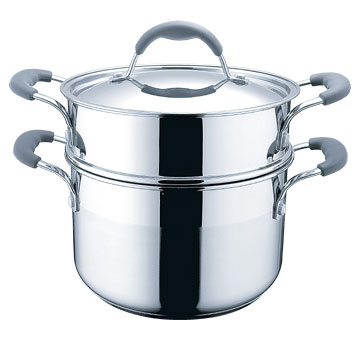
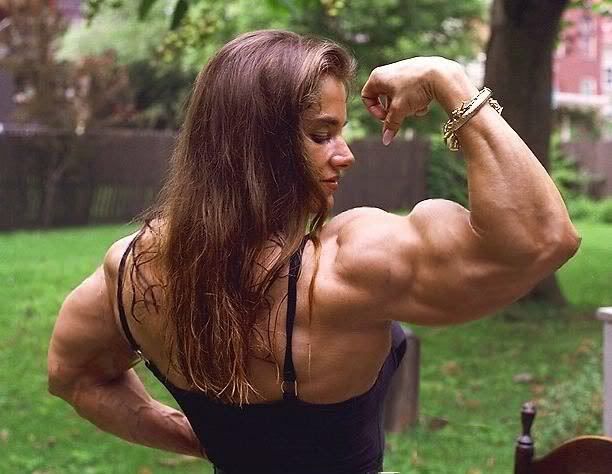

This discussion has been closed.
Advertisement