alanucc wrote: » It's more like 0.5mm/year. Sorry don't have a source to hand
saabsaab wrote: » Added to that is the fact that Cork is sinking into the ocean, I could be wrong but the rate is 1 cm every ten years!
saabsaab wrote: » Flooding in Cork city is likely to continue every year from now on. Sea levels are rising and a 0.5M rise is likely by the end of the century. Added to that is the fact that Cork is sinking into the ocean, I could be wrong but the rate is 1 cm every ten years! Is it time to move and rebuild further inland and leave certain areas to the inevitable?
blindsider wrote: » I'm certainly not discounting major fluvial events, but I am concerned about events such as yesterday which seem all too regular. I'd be interested to know how many of the previous flood events were tidal v fluvial I appreciate the fact-based arguments (from e.g. AlanUCC) and I'll happily declare my lack of knowledge in this area. I do have significant concerns that the OPW seem wedded to a scheme which is unsightly, potentially expensive (even compared to a tidal barrier), difficult to implement and maintain and less effective than another proposal. Separately, I've seen no mention of dredging apart from a couple of short comments here.
blindsider wrote: » I'd be interested to know how many of the previous flood events were tidal v fluvial
alanucc wrote: » The channel capacity in the western half of the city centre gets exceeded at much lower flows than 2009. See this map for an idea - the 10%AEP (i.e. small flood) still floods out I don't want to get into debating 2009 either, but would note that fluvial flood risk on the Lee is very real and "natural" - similar events to 2009 occurred in 1853, 1875 and 1916, all before the dams were built and before climate change started to bite. I think it would be foolish to think that similar events will never happen again (whether they will in our lifetime is another matter)
Nerdlingr wrote: » Clonmel's flood defence barriers
corkgsxr wrote: » No need for barriers. Go back to dredging the river. Simple solution
blindsider wrote: » But wasn't 2009 an 'artificial' flood? The ESB added to the issue by opening Inniscarra. (I'm not getting into why, when, how etc - just a statement of fact.) ... Am I missing something?
corkgsxr wrote: » Yes it will. The winds stop the river from draining effectively. Lower base height means lower flood water height. Funny how dredging stopped and as the years go by we have worse issues with flooding.
Outkast_IRE wrote: » I think dredging would have no effect on what occurred yesterday. As it was primarily due to a very high tide coinciding exactly with very low atmospheric pressure and a wind directly pushing water into the harbour. A combination of factors that dredging does not alleviate as you are literally fighting against sea level.
alanucc wrote: » There is an element of truth in your comment, but it's not the whole story. Keeping water levels in Lough Mahon low with a tidal barrier would help to reduce fluvial flood levels in the eastern part of the city centre. However for the really big fluvial floods like the 100 year event, the flow would still exceed the channel capacity and spill out regardless of the tide - particularly upstream of the Mercy. To demonstrate this you only need to look at the 2009 event. I attached a water level graph taken from the river gauge which used to operate at Tyndall. The markups in red are mine, just trying to clarify what's shown. You'll see that the flood actually rose on the falling tide, due to the magnitude of the flow coming from upstream. The gauge died during the peak of the event so not all of the river level data is there, but for sure the subsequent high tide prolonged/exacerbated the flood. However my point is that water had already spilled out and caused damage at Victoria Cross, UCC, Mardyke etc while the tide was down.
AugustusMinimus wrote: » I’ve read others saying that a tidal barrier cannot stop fluvial flooding in the city. Absolute nonsense. The tidal barriers can close before high tide leaving the water level in Lough Mahon and upstream well below the quay walls. The river can then discharge into Lough Mahon which would likely take weeks to fill with just the Lee alone. There’s no way the river could flood the city if the tidal barrier is used correctly.
cantalach wrote: » I fully agree that defining an objective measure of "directly affected" would be challenging but there needs to be some limit because you otherwise get ludicrous stuff, e.g. the Port of Waterford objected to the Port of Cork's new container port in Ringaskiddy, SuperValu objected to the new Aldi/Lidl in Bantry, etc.
Because people commonly misread or misinterpret statements like you made, and would be under the impression that most businesses and residents supported Save Cork City. I was just clarifying what you wrote without disagreeing with it in the slightest.
TheChizler wrote: » 1. Anyone living in Cork is directly affected, whether by flooding or the destruction of the historic connection to the river. The importance you assign to either is subjective. If you can arbitrarily block people from objecting based on some subjective measure of how directly affected they are you might as well throw away the whole planning appeals system and let people do what they like.
2. I never said most did, don't know, so I'm not sure why you'd make that point.
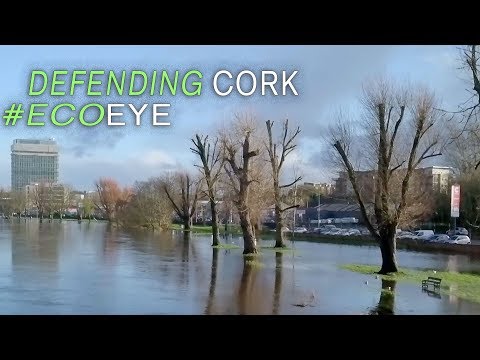
TheChizler wrote: » Eco eye did a program on this last year for anyone interested. I'm possibly biased but the OPW guy at the end didn't inspire confidence. Basically admitted that the plans were a bandage on the current problem.
cantalach wrote: » Two points: 1. Unless you are *directly* affected, you are a third party. 2. Most Save Cork City member may well be businesses and residents, but that doesn’t mean that most businesses and residents support Save Cork City.
TheChizler wrote: » I'm fully with SaveCorkCity on this one. Most of their members are businesses and residents in the city so no third party argument.