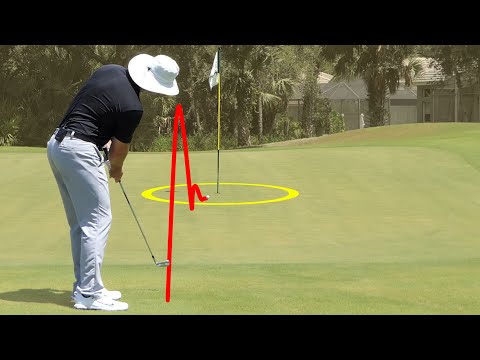
Danny dyers double wrote: » Very interested on lads views on this one. As i said in a previous thread iv a very poor short game. Was playing this morning and hitting the ball well but struggled to post a decent score because poor chipping mainly. One of my playing partners suggested a short game lesson. Now the point of this thread is that i know how to chip and putt, probably the 2 most simple techniques in golf. So my question is, do you think chipping and putting is all about nerve on the day and a 100 lessons won't really improve a bad chipper. Personally I can go to a practice green and chip balls well for an hour or so and then blade and duff every one of them on the course. It's a killer but iv excepted I'm not a great chipper and a poor to average putter at best. Is there anyone here that would strongly argue that its just the same as a full swing, as in a lesson from a pro and a good lot of practice will improve this side of your game. Very interested to hear opinions on this one.
BraveDonut wrote: » so, what's better? Higher or lower bounce? What changes based on the number?
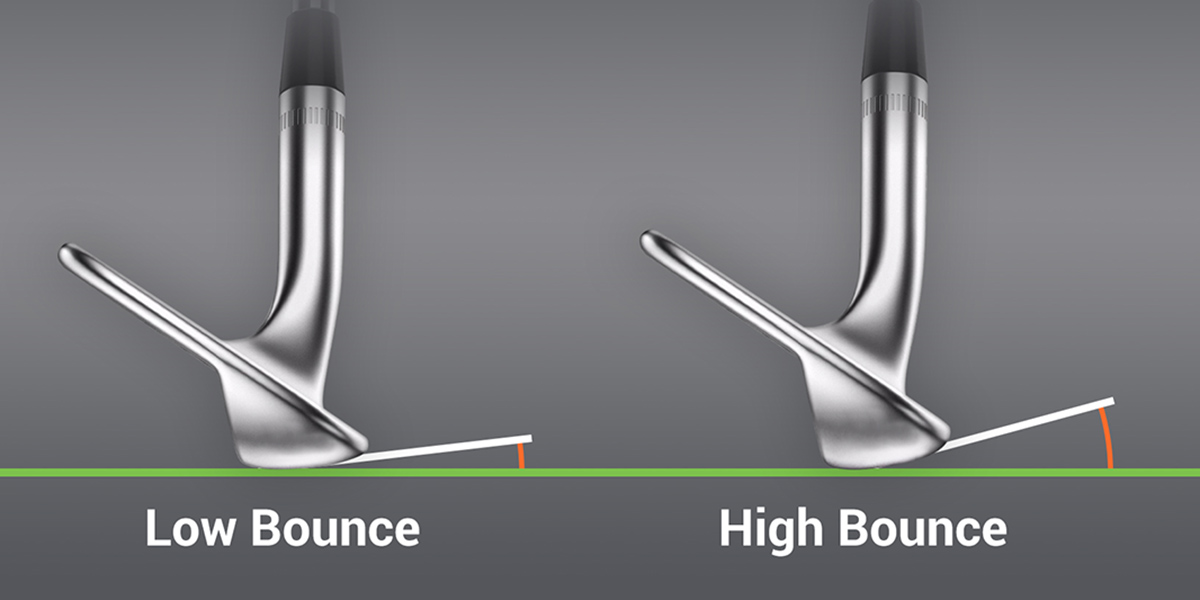
GreeBo wrote: » the bounce is the size of the angle at the bottom of the club. Less bounce means the leading edge is closer to the ground, more bounce means its further away. More bounce is better for bunkers or soft ground as it stops the leading edge digging in and laying a sod over the ball. Less bounce is better for harder lies as it prevents the leading edge skipping into the ball and it screaming away 1foot off the ground. But either way, learning to use the bounce means a more level angle of attack and less reliance on timing the leading edge. When you do it properly you barely mark the grass (you can chip from a green) but more importantly you can hit an inch behind the ball and still get a good result.
GreeBo wrote: » Learning how to use the bounce makes all short game easier, your margin for error is much higher.
keanecm wrote: » This may be a stupid question but should your margin for error not reduce if things are getting easier?
blue note wrote: » I wouldn't agree that chipping technique is at all straightforward! I see far too many mi**** chips to think that. What I struggle with a lot is putting from off a green. I'll chip rather than putt unless I only have a small amount of fringe to deal with. Whereas many 30 handicappers and pros will tell you to putt any time you can. My problem is distance control when I do. I can end up barely making it onto a green or barely keeping it on. Whereas chipping I'll more than likely leave myself with a makeable putt at least.
GreeBo wrote: » A (somewhat!) useful rule of thumb is to add whatever distance of fringe you have to cross onto the end of you putt. So if you have a 20ft putt including 5ft of fringe, aim for a 25ft putt. Very long putts are arguably harder than chips, but thats because you need a longer putting stroke than is really possible (the first video above describe it well) A usual, shorter putting stroke with a 7i will lead to much better results in my experience.
blue note wrote: » I also see the odd time people putting the ball up in the air when there's nothing they need to clear. This tends just to be new golfers who don't know better.
blue note wrote: » What I can never really understand is people with fairly straightforward chips trying to put huge spin on them to fire them at the hole and stop them dead. In a way it looks great when it comes off, but in a way it looks stupid, because it's such an unnecessary shot. And the increase in chances of a duff / blade is huge.
GreeBo wrote: » If you are using the bounce correctly then the chances of duff/blade actually aren't that high... It's the fellas flicking their wrists to flick it up in the air that are asking for trouble, but thats more about poor technique than shot choice.
blue note wrote: » I'm judging on what I see, not the theory of it. Comparing people running it to people trying to stop it quickly, I see far more terrible shots with people trying to stop it quickly. Fair enough if you've got the technique down perfectly, but too many of the people I'm looking at do not.
ChippingSodbury wrote: » A bad putt is almost always better than a bad chip. That's within reason though as very long putts are difficult as mentioned by GreeBo and also ground conditions (I'm a links player). The best way to improve your distance control is dead obvious: practice putting from off the green around the putting green. I almost never see anyone doing this.
blue note wrote: » That's what I hear but not what I find for myself. As I say, when I putt from off the green I am terrible for misjudging how hard to hit it. The result of this can be barely making it onto a green and leaving myself 20 feet short of the pin, misjudging the effect of the slope and ending up going 45 degrees in the wrong direction, overhitting it massively and leaving myself 20 feet back. Whereas chipping, I'll always hope to be within 6 feet, a bad one will more than likely leave me within 10. In fairness to the people who say "you're always better off putting it", it's true for most people. And I used to do this, but I gave up because I found I was getting better results chipping.
GreeBo wrote: » How far off the green are we talking here? If you are barely making the green then you are probably putting from too far off. Unless it's links or crispy summer, I'm not putting from more than 5 feet off the green.