BaZmO* wrote: » This post is the 10,000th post
partyguinness wrote: » But there is no historical evidence disproving it either...:D
humberklog wrote: » I think that's just something that got said once and repeated as fact but has no historical evidence to back it up. The first female to male transgender operation was on an Irish woman-man. Michael Dillon was born Laura Maud Dillon in Lismullen in 1915. After studying sciences in Oxford he worked in a research lab. While there he sought hormone treatment but the doctor he was seeing started gossiping and she left Oxford for Bristol to work in a mechanic's garage. He returned to Ireland and studied medicine in Trinity and while there he wrote a book (Self:A study in ethics and endocrinology) this lead to being put in contact with a doctor in London willing and able to do the op. Dr. Gillies, a Kiwi, a Spitfire pilot in WW2 (captured) and a brilliant golfer had been making his name in plastic surgery reconstructing injured veterans. By 1949 Michael Dillon had completed the 13+operations to transition and by '51 he'd qualified in medicine and signed up to the merchant navy as a surgeon and spent 6 years at sea. Wanting to live a normal and anonymous life a fairly innocuous reveal in Debrettes Peerage caused a storm that Michael wanted to escape from. He headed to India and wished to become a buddhist monk. He changed his name to Sramamera Jivaka. Things didnt pan out the way he hoped as his past caught up with him and that branch of Buddhism were unwilling to ordain him full monk status. He decided to hoof it to Tibet where they were more broadminded and he restarted his studies and changed his name to Lobzang Jivaka. Under his Buddhist names he published a number of books on that religion. Eventually his visa ran out and in 1962 aged 47 he dies. In India. In penury. Laura Maud Dillon-Laurence Michael Dillon-Sramamera Jivaka-Lobzang Jivaka. Navan man.
Professor Moriarty wrote: » Perhaps, but it's in alignment with Oxford University's online dictionary's definition of it's entymology: Middle English: from Anglo-Norman French salarie, from Latin salarium, originally denoting a Roman soldier's allowance to buy salt, from sal ‘salt’
Wibbs wrote: » Which itself is a mistranslation. If you look to Roman sources on the matter nowhere does anyone mention soldiers being paid in salt. They do note the word salt and earnings in relation to taxes levied by the state. That brought a fair few quid into Roman coffers as it was a valuable item. So salarium was conflated with something valuable earned(salarius(sp?)), but by the state, not soldiers(or citizens). I seem to recall that "salt" or a similar word was related to political duties? But again nada to do with wages. In the early part of Rome they were a citizen army so not paid as such, but got bed and board. Later on as a professional standing army they did get paid, but in coin of the realm. 100 denarii a week or whatever and bed and board(and a pension and land after 20 years service IIRC).
Nevaeh Shaggy Destroyer wrote: » This fits with my understanding, there are not ancient records referring to soldiers being paid in salt,
partyguinness wrote: » Jesus I'm sorry. What have I done..
Nixonbot wrote: » Sparked conversation and knowledge about the Romans!
New Home wrote: » Back to "Salary" for a second. Soldiers, like previosly mentioned, but magistrates, too, were paid in kind with grains, wine, oil, and especially salt. As time went on, "Salary" (i.e. salarium) was the name given to the coin used to pay them.
Wibbs wrote: » Later on NH, but not in classical Rome. There's also no record from Rome of soldiers being paid in salt as a thing. They do mention coinage after they became professional soldiers and of course spoils of war and how they were divvied up.
JupiterKid wrote: » Leaving Dromoland Castle this evening after a bite to eat, my OH and I passed Pete Townshend and Roger Daltrey of The Who walked in with two ladies. Place must be popular with the rock star set. Maybe next time I'll see Bono...
JupiterKid wrote: » Leaving Dromoland Castle this evening after a bite to eat, my OH and I passed Pete Townshend and Roger Daltrey of The Who who walked in with two ladies. Place must be popular with the rock star set. Maybe next time I'll see Bono...
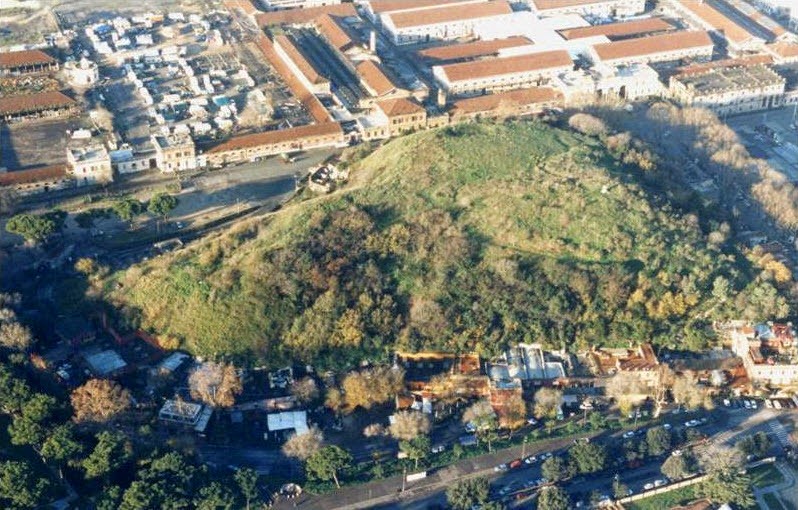
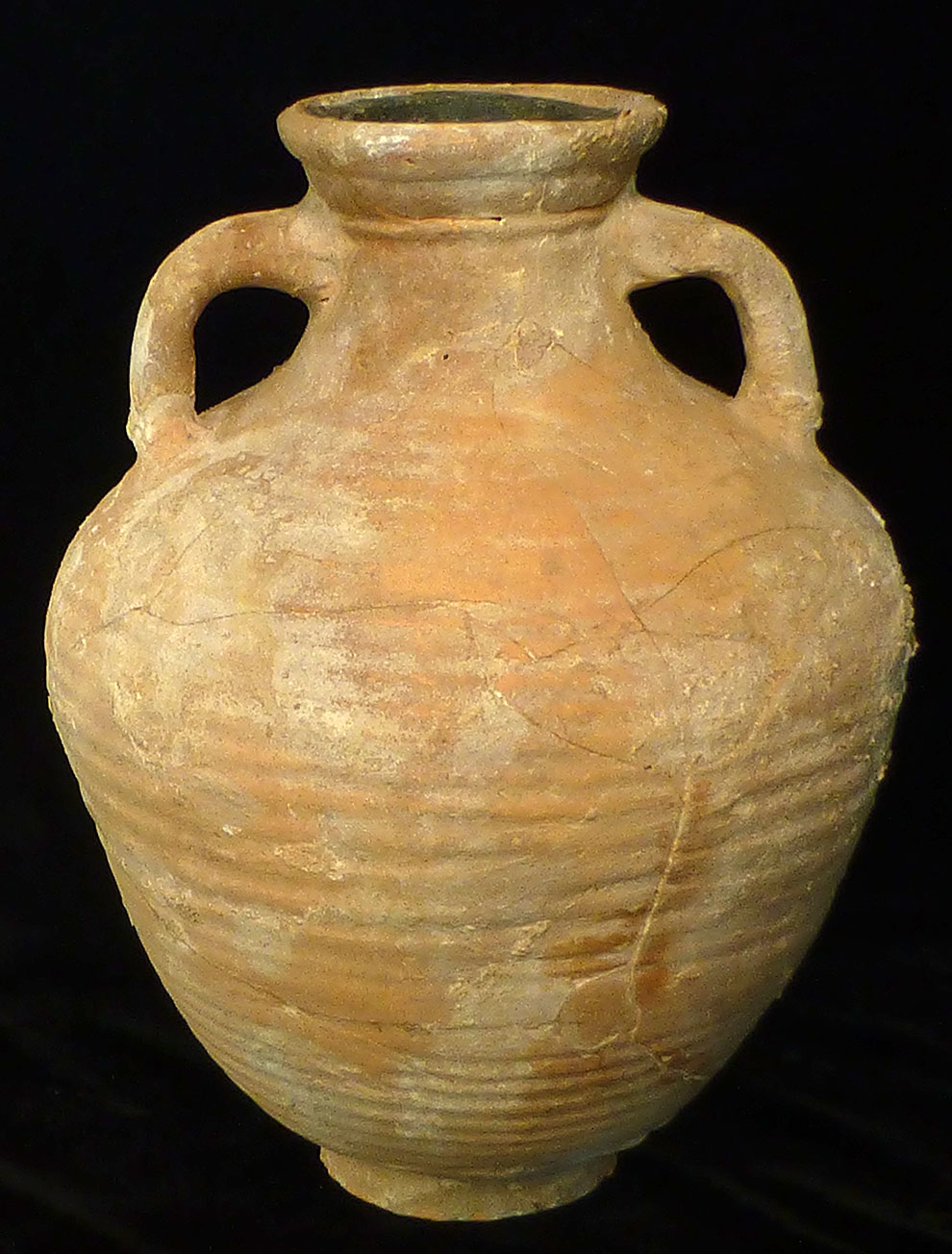
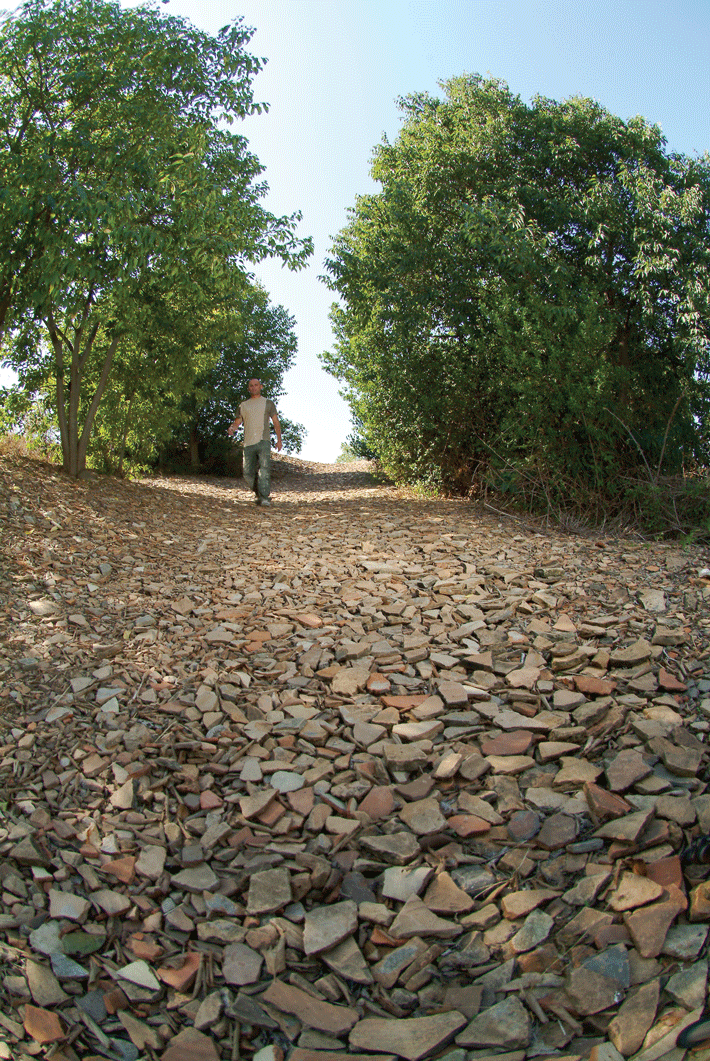
Wibbs wrote: » On that score; in Rome there is a hill called Monte Testaccio that's today 120 feet/35m tall and covers a few acres. It's made up almost entirely of broken pottery from discarded amphora that were used to carry olive oil.
SimonTemplar wrote: » But Youtube actually uses Base64. This means each character in the ID has 64 possible values. These are all the numbers from 0 - 9, all 26 uppercase letters, all 26 lowercase letters, and then two symbols. Youtube uses a hyphen and underscore. So using this system, you can count up to 64 items using a single character. Using just two characters, you can count up to 4,096 items (64 x 64). Using just three characters, you can count up to 262,144 items (64 x 64 x 64).
Candie wrote: » Even more interestingly, unexploded WW2 bombs are still being found all over Germany, weighing in at over 20,000 tons a year. Which everyone else might know, but I didn't!