Rubecula wrote: » what does Sol 4766 mean? days (earth) days (mars) or days (sun???) ?
Fathom wrote: » Falcon 9 has completed 16 successful landings on Earth. Baby steps towards Mars landing by SpaceX?
Rubecula wrote: » just spent a few hours watching documentaries like this, excellent stuff Fathom, thank you for posting.
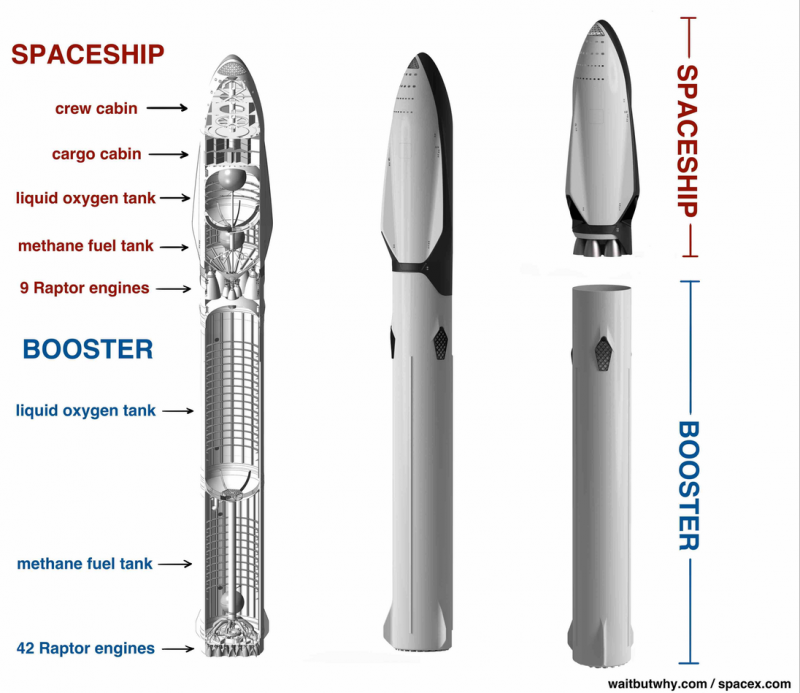
Fathom wrote: » Prospective SpaceX Mars rocket? Too small?
Capt'n Midnight wrote: » 42 engines is a plumbing nightmare. Ask the Russians about the N1 and it's 30 engines.
Rubecula wrote: » the rocket may be big enough, but you need somewhere for the crew that is big enough to live in.
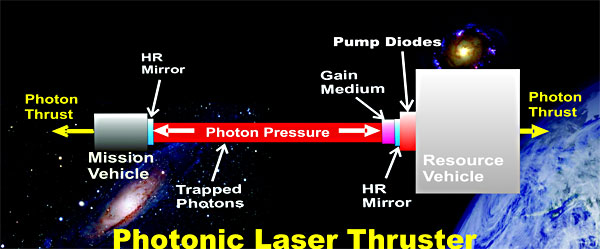
Fathom wrote: » Still old tech thinking? Alternatives?
Capt'n Midnight wrote: » Yes and No. Yes, old tech. If you've ever heard of single stage to orbit, remember that the original Russian Soyuz launch system was a stage and a half to orbit. Main engines tested just before launch and fired all the way up. No, no alternatives Soyuz has seen off many replacements and is now used by the USA for all manned flights, the Europeans for satellite launches and the Russians for both. In theory there alternatives, the US has thrown away loads of them, I wouldn't be surprised if Soyuz outlives yet another US launch system. Because we live at the bottom of a gravity well a rocket would have to provide 1g of acceleration just to stay still , this rules out any existing technology except chemical rockets. The fuel pumps on the Saturn 5 rocket were fifty five thousand horsepower, each. Or 205 Megawatts in total. On take off the engines put out as much power as France, as in the entire French electricity network. Most of the power and energy was used to accelerate the remaining fuel that was later used to accelerate what was left of the remaining fuel and so on There two other ways to get to orbit. The first is speed. Easy peasy. You just need to be going fast enough and in the right direct. If you use an external mechanism for power and thrust you can save a lot of mass. If your craft had a frontal area of 1m squared then at sea level you'd need to push 1Kg of air out of your way for every meter per second you were travelling at. So figure out ten tonnes of, superheated by compression, air in the first second. The other is to climb up a ladder. We don't quite have the material to make a space elevator. And the power transmission distance and strain on the cable limit the speed you can go up the elevator. At 100km/hr you'd climb past Everest in under 5 minutes but you wouldn't get to GEO until a fortnight later. Also the total mass climbing up or down would have to be counter balanced by a massive weight past GEO.
Rubecula wrote: » Because we are at the bottom of a gravity well a rocket has to provide 1g of acceleration to stay in on place??????????? no this is so wrong, the Earth has a gravity of about 1g at sea level. we are already using 1g of force by pushing down on the planet. Notice I said about 1g at sea level. this is because gravity does vary.
this bit does not make a great deal of sense to me, dunno why but somehow it does not flow properly, sorry : "If your craft had a frontal area of 1m squared then at sea level you'd need to push 1Kg of air out of your way for every meter per second you were travelling at. So figure out ten tonnes of, superheated by compression, air in the first second"
finally your figures on the space elevator, areyou certain? I think accelerating for a fortnight would have you a bit further than GEO even at less than 1g.
Capt'n Midnight wrote: » A rocket that generates thrust equal to it's mass will accelerate at 1g in free space, but here on Earth it will just sit there. So can't use ion drive or solar sails to get to orbit.